Mold Inspection in Pelham's Prewar Houses
A licensed assessor measures what is going on behind the plaster and stone of a Pelham house and tells you in writing where the moisture is coming from.
Mold Inspection quote in Pelham
Tell us the town, how the water got in, and how long it has been wet. Those three answers tell us what kind of water this was, and in Westchester the kind of water decides most of what the job involves.
Would you rather talk it through? Call (315) 640-3590.
$100 off your first job
Credited by us on your first booked job.
- One credit per customer per property, on your first booked job.
- Valid through December 31, 2026.
Mention this offer when you book. Full terms.
The age of Pelham's housing, and what controls mold
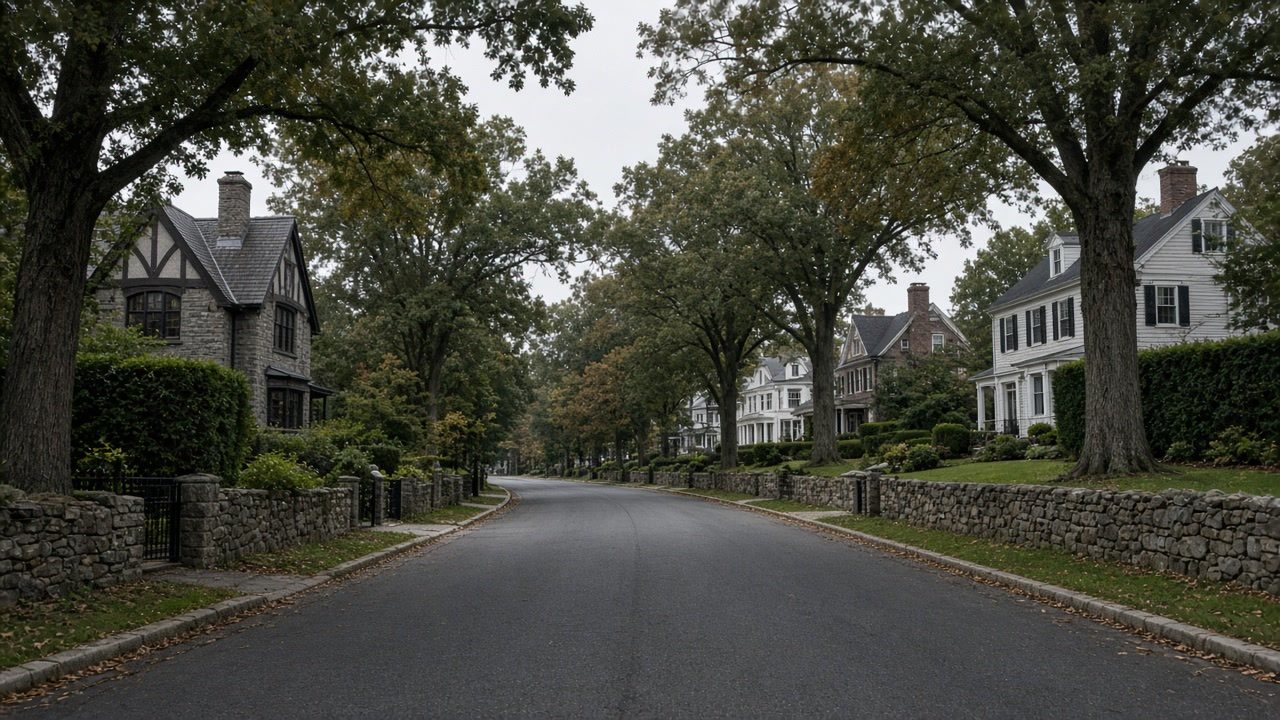
In the 2020-2024 American Community Survey, the Town of Pelham has 4,436 housing units and the highest pre-war share of any Westchester town, 64.8 percent built in 1939 or earlier; within it, Pelham Manor village reaches 71.8 percent and 92.2 percent owner occupancy.
Source: U.S. Census Bureau, American Community Survey 2020-2024 5-year estimates, table B25034 Year Structure Built, county subdivisions of Westchester County, accessed 2026-09-23
The Westchester County Department of Health's mold page states "The way to control indoor mold growth is to control moisture", that there is no practical way to rid an indoor space of every mold spore, and that "The underlying cause of the moisture must be located and fixed to prevent future mold growth as well."
Source: Westchester County Department of Health, Mold, accessed 2026-09-23
EPA advises: "Keep indoor humidity below 60 percent (ideally between 30 and 50 percent) relative humidity", and "If you see condensation or moisture collecting on windows, walls or pipes act quickly to dry the wet surface and reduce the moisture/water source."
Source: U.S. Environmental Protection Agency, A Brief Guide to Mold, Moisture and Your Home, accessed 2026-09-23
Reading the walls of a prewar Pelham house
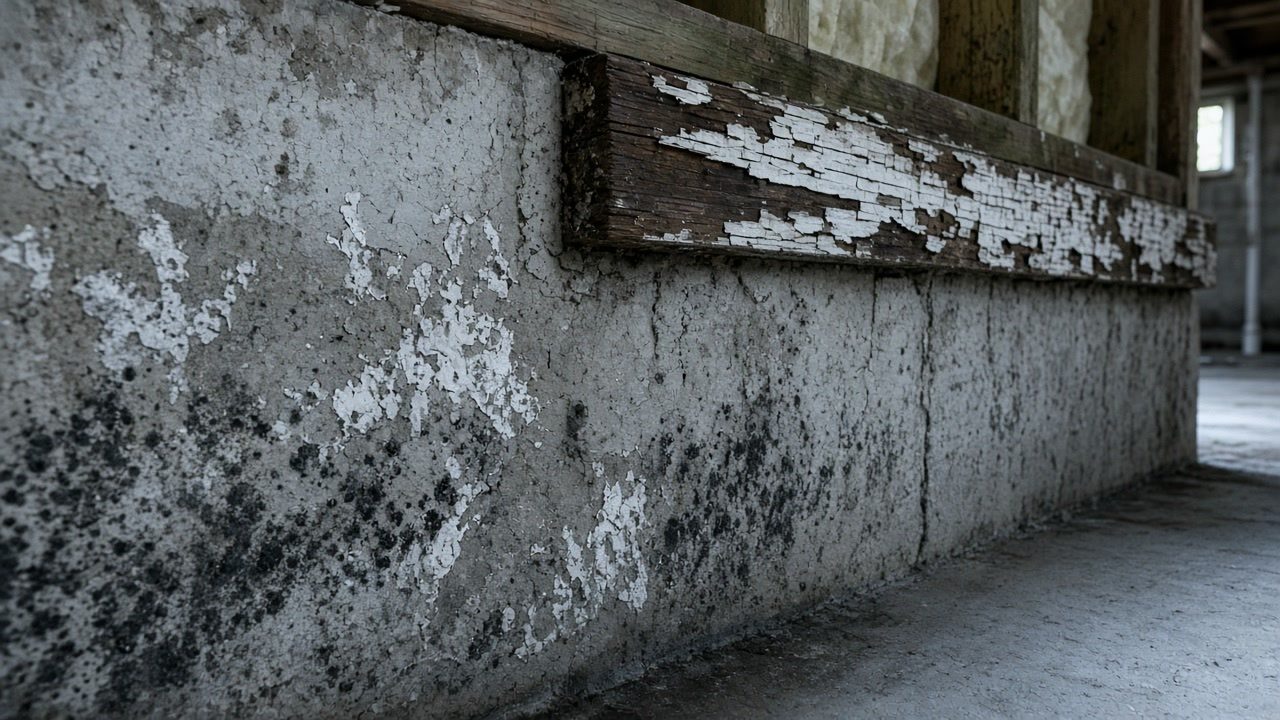
In a house built before the Second World War, the useful part of an inspection is the part you cannot see: moisture readings in plaster, framing and the base of the foundation wall, and a judgment about whether the damp comes from outside, from a pipe, or from ordinary humid air condensing on cold masonry. You get that in a written report, with a plan if removal is needed. In Pelham Manor 71.8 percent of homes date from 1939 or earlier, and across the whole Town of Pelham it is 64.8 percent, the oldest housing in Westchester.
Pelham owners: when an assessor earns the fee
It earns the fee when the problem keeps returning, when a musty smell has no visible source, or when finished walls sit against the foundation. It does not when a bathroom ceiling has a small patch from a fan that does not work; fix the fan and clean it. The county health department's own position is that mold is controlled by controlling moisture, so the report you want is one that names the source clearly enough for a mason, a gutter crew or a plumber to act on.
Smell without a stain
A musty basement with nothing visible often means growth on the back of a finished wall. Moisture readings find it without opening every wall.
Condensation or seepage
Cold stone sweats in humid weather. Water through a joint is a different fix. The assessor tells you which you have.
Plaster changes the plan
Growth behind plaster is harder to reach than behind drywall, and cutting old painted plaster raises lead questions. Know the extent before anyone cuts.
Does the Pelham basement smell musty with nothing to see?
Tell us where and when you notice it. We will say whether it is worth a licensed assessor's visit, with no obligation.
Removal and drying for a Pelham house
Pelham questions about inspecting older homes
Do I need an air test?
Rarely. The state Department of Labor says air sampling is unnecessary in most cases. In a Pelham basement the more useful measurements are moisture readings in the walls and the humidity of the room.
Which village do I deal with, Pelham or Pelham Manor?
Whichever your address is in. The county plan treats the Town of Pelham as the two villages added together, so building questions go to the village rather than the town.
Send the Pelham house details
Roughly when it was built and where the damp shows. A person reads it and replies with an honest next step.