Westchester County, from the Hudson to Long Island Sound
Water Damage Drying for Westchester Homes
Get a wet basement or room in your Westchester home dried properly before mold has a chance to start, in the order the kind of water calls for.
Water Damage Drying quote
Tell us when the water arrived, where it came in, whether it has stopped, and which rooms and floors got wet.
Would you rather talk it through? Call (315) 640-3590.
$100 off your first job
Credited by us on your first booked job.
- One credit per customer per property, on your first booked job.
- Valid through December 31, 2026.
Mention this offer when you book. Full terms.
Drying out a wet Westchester home, and why the order matters
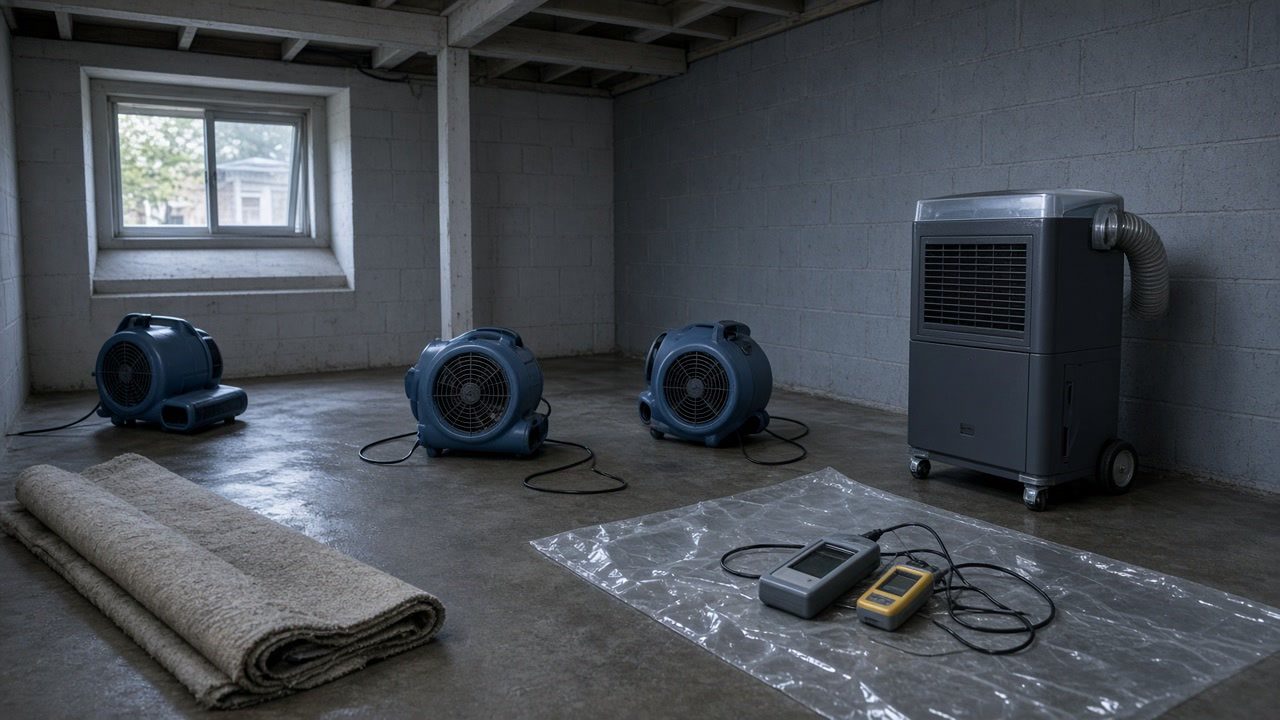
Drying is about the first two days. EPA's guidance is that when wet materials are dried within 24 to 48 hours, in most cases mold will not grow, so the aim is to stop the water, get it out and bring the structure back to dry before anything starts. A drying crew extracts standing water, measures how far moisture has moved into walls and floors, and runs air movers and dehumidifiers until readings come back to normal. The kind of water decides the order. A clean supply line leak can usually be dried in place. Water that rose from a river or stream, came in on a surge, or backed up from a sewer or septic system is a different job: the trade standard says affected porous materials come out first, with contamination controls, and drying follows. In Westchester, which of those you are dealing with depends a good deal on where the house sits. We arrange a water restoration firm suited to the kind of water you have.
- Standing water extraction from basements, crawl spaces and finished lower levels
- Moisture mapping with meters and thermal imaging to find wet material behind walls and under floors
- Structural drying with air movers and dehumidifiers, with readings taken until materials return to normal
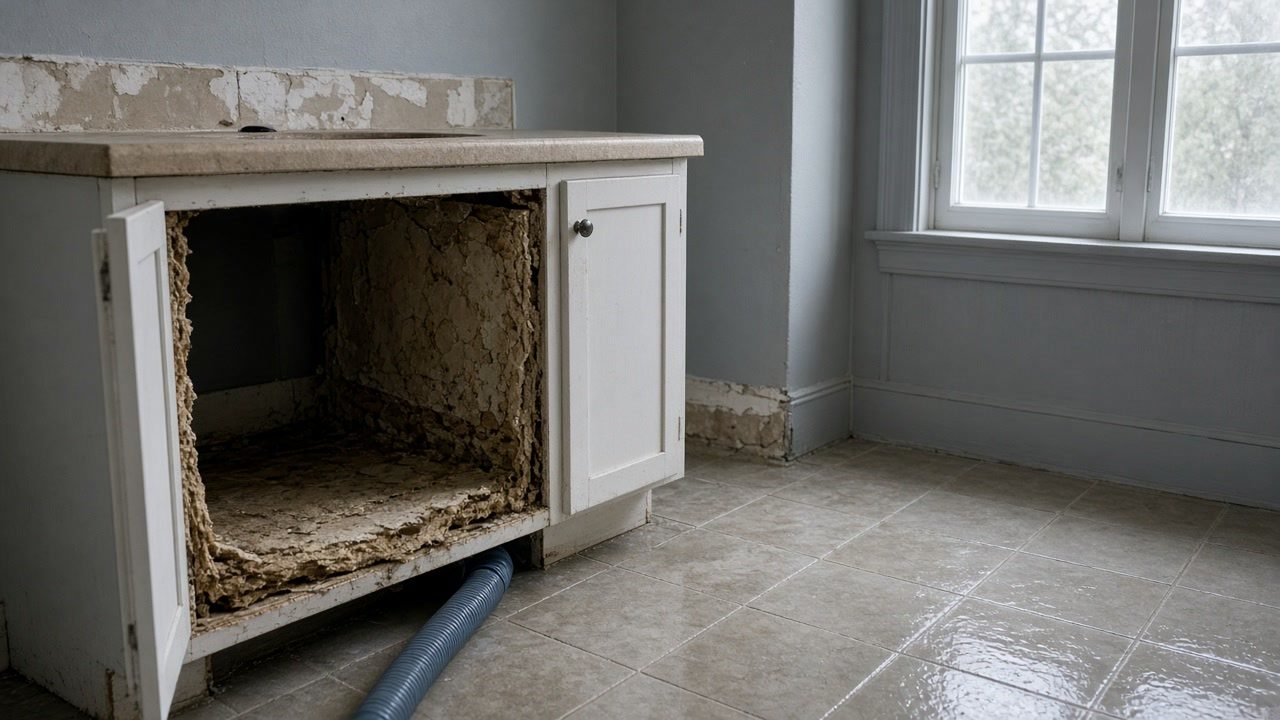
- Removal of wet carpet, pad, baseboards and the lower section of drywall where they cannot be dried in time
- Contamination controls and removal before drying after river water, surge water, sewage or a septic backup
- Drying hardwood floors, subfloors and stairs
- Basement and crawl space humidity control, including dehumidifier sizing, where damp air rather than a leak is the problem
- Photographs and moisture readings that document the loss for your own records
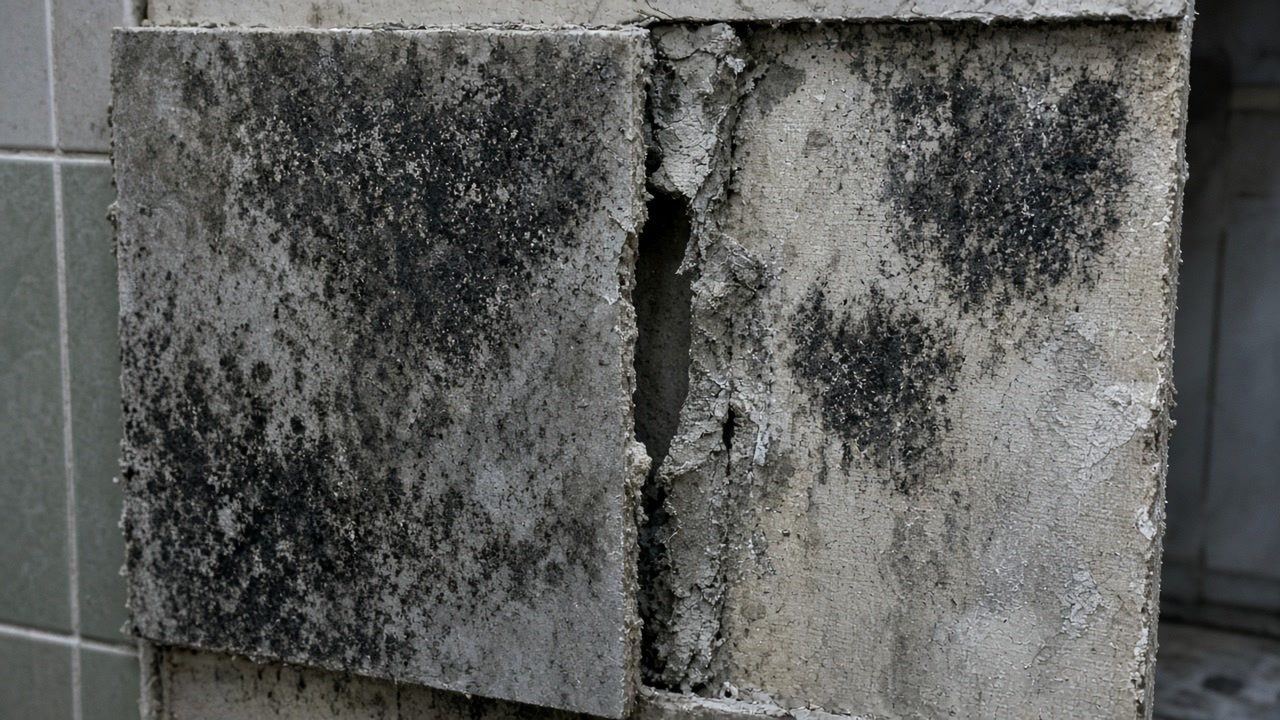
- Checking for existing growth over about ten square feet, which turns that part of the job into licensed mold work
What changes a water damage dry out in Westchester
How long drying takes and how much comes out depends less on how much water there was than on what kind of water it was and how long it sat.
What kind of water it was
The trade standard puts sewage, all flooding from seawater and rising water from rivers or streams in its most contaminated category. Its consensus body adds that storm water is not automatically in that category: a roof leak in a hurricane can be a far smaller job than river water in the basement.
How long it has been wet
EPA's guidance is that materials dried within 24 to 48 hours in most cases do not grow mold. Past that window, the job is as much about checking for growth as about drying.
How the water got in
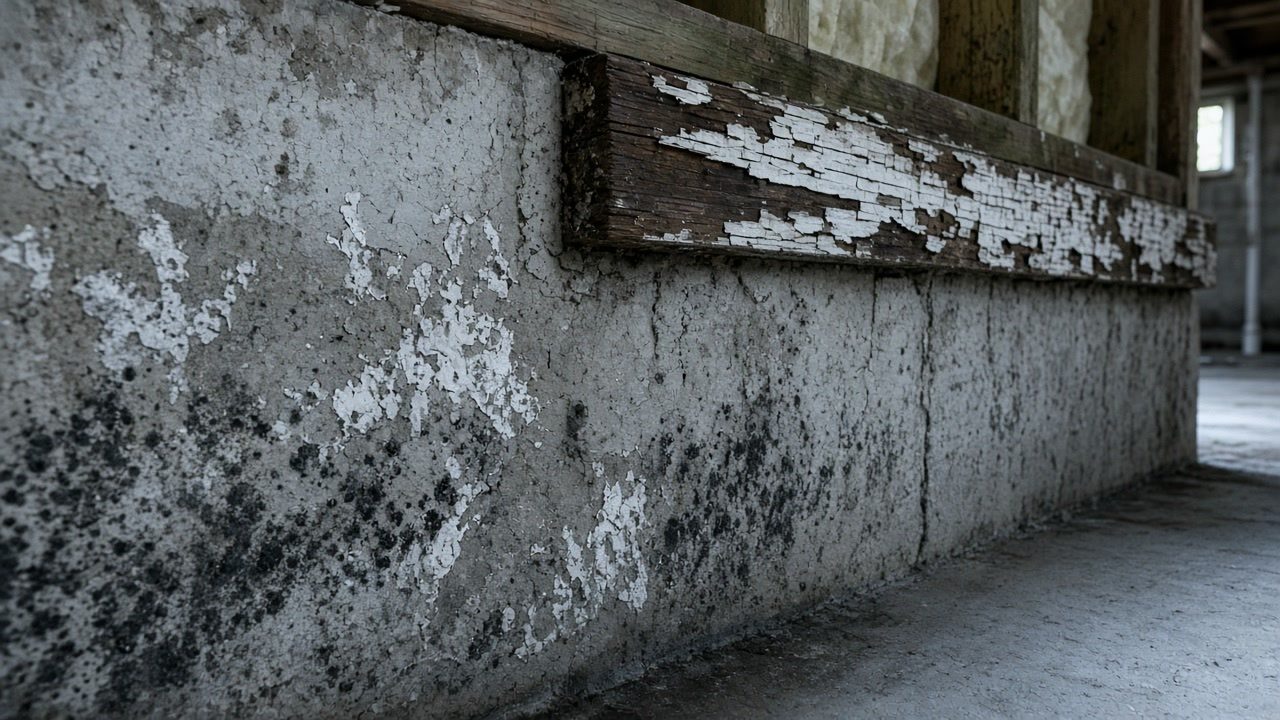
The county's hazard plan notes that groundwater can wet a basement with no surface flooding, and that urban drainage flooding is not mapped by FEMA. If the water seeped in at the wall base or up through the slab, drying will not stop it returning; the way in needs its own fix.
Where in the county the house is
The county plan describes both the Hudson and Long Island Sound shorelines as tidally influenced and vulnerable to coastal flooding. A low-lying house on either coast can take tidal water, which the trade treats very differently from a clean leak.
Finished or unfinished space
Of the paid flood insurance claims in Westchester with a recorded basement type, about 91 percent involved a building with a basement and about 57 percent a finished one, per FEMA's claims records. Carpet, drywall and framing in a finished basement hold water that bare concrete does not.
Whether the heating system took water
EPA advises against running an HVAC system you know or suspect is contaminated. A furnace or air handler in a flooded basement stays off until it has been checked, which changes how the space is dried.
A well or a septic system
A septic backup is sewage in the trade standard's terms, and the fix for the source is a county licensed septic contractor. If floodwater reached a wellhead or pressure tank, say so, because the house's water supply is then part of the picture.
Water in the house right now?
Stop the source if you can, then tell us where it came in and how long it has been there. That is enough to point you to the right kind of firm, with no obligation.
What happens, in order, when a Westchester home takes on water
Make it safe and stop the water
Shut off the supply if a pipe or appliance is the source, keep clear of electrics near standing water, and leave the furnace or air handler off if it sat in the water.
Tell us what happened
Use the form to say when the water arrived, where it came in, whether it has stopped, what got wet and roughly when the house was built. Those are the details the trade standard uses to decide the category of water.
Extraction and a moisture map
The restoration firm we arrange removes standing water and maps how far moisture has spread into walls, floors and framing.
Set the order from the kind of water
Clean water is usually dried in place. After contaminated water, affected porous materials come out first under contamination controls, and drying follows.
Dry and measure
Air movers and dehumidifiers run while readings are taken, until the materials are back to normal and nothing is left damp behind a wall.
Check for growth before closing up
If growth larger than about ten square feet is found, that part becomes a licensed mold project in New York, with an independent assessor's plan and a separate remediation firm.
Fix the way the water got in
Drying deals with the water that arrived. The pipe, roof, grade, drain or wall that let it in is a separate repair by the matching trade.
What water damage drying looks like
What a Westchester dry out does not include
When you may not need this at all
- If a small amount of clean water from a sink, a supply line or an appliance reached a hard floor and was mopped up within hours, fans and a dehumidifier may be enough. EPA says materials dried within 24 to 48 hours in most cases do not grow mold.
- If nothing leaked and the basement is simply damp, you may need a dehumidifier rather than a restoration crew. EPA advises keeping indoor humidity below 60 percent.
- If the water keeps coming back after each dry out, another dry out treats the symptom. The way the water gets in, whether groundwater, a drain or the grade, is the thing to fix.
- If mold is already visible across a wide area, drying alone is not the answer. Start with an inspection.
- If you rent, the county health department's advice is to go to your landlord first, and your local building department after that.
What is out of scope
- Mold remediation on more than about ten square feet of growth, which in New York is licensed work to an independent assessor's written plan.
- Plumbing, roofing, foundation or drainage repair to stop the water.
- Septic pumping or repair and well water testing, which go to a county licensed septic contractor and a registered laboratory.
- Rebuilding finished spaces after a tear-out, unless the firm holds a Westchester County home improvement license.
- Cleaning and restoring furniture, documents and belongings.
- Insurance claims. We do not file, handle or negotiate claims, and your own policy is the only real answer on coverage.
Water damage drying arranged across Westchester County
- Water Damage Drying in Rye
- Water Damage Drying in Mamaroneck
- Water Damage Drying in Port Chester
- Water Damage Drying in New Rochelle
- Water Damage Drying in Pelham
- Water Damage Drying in White Plains
- Water Damage Drying in Elmsford
- Water Damage Drying in Tarrytown
- Water Damage Drying in Ossining
- Water Damage Drying in Croton-on-Hudson
- Water Damage Drying in Peekskill
- Water Damage Drying in Yorktown
- Water Damage Drying in Mount Kisco
- Water Damage Drying in Bedford
Questions about drying out water damage in Westchester
How quickly does drying need to start?
As soon as the water has stopped. EPA's guidance is that wet materials dried within 24 to 48 hours in most cases do not grow mold, so waiting on paperwork before starting is usually the expensive choice.
Can I just run fans?
For clean water on hard surfaces, fans and a dehumidifier are often the right start. After sewage, septic, river or surge water, the trade standard says contaminated porous materials come out before drying, because blowing air across them can spread the contamination.
Is storm water always the worst kind?
No. The trade standard's consensus body said in 2026 that water from weather events, including wind-driven rain and water coming in from above, is not automatically treated as the most contaminated category. It is decided on inspection, from where the water came from and what it touched.
We are outside the flood zone. Could this still be flood water?
Yes. About 38 percent of the paid flood insurance claims in Westchester with a recorded zone came from outside the high-risk A and V zones, per FEMA's claims records. Being outside the zone lowers the odds; it does not tell you what reached your basement.
Will my homeowners insurance pay for this?
We do not handle or advise on claims, and your policy is the only real answer. FEMA's FloodSmart site notes that most homeowners and renters policies do not cover flood damage, and that flood policies do not cover personal property kept in basements. Keep the photographs and moisture readings from the dry out either way.
What if the water came from our septic system?
Treat it as sewage, the most contaminated category, and as a professional cleanup rather than a mop job. The source goes to a county licensed septic contractor, and the county health department keeps septic records that can show where the tank and field are.
When does a dry out turn into mold work?
When growth larger than about ten square feet is already present. In New York that part becomes a licensed mold project: a licensed assessor writes the plan and a separate licensed firm carries out the removal.
Get the house dry in the right order
Tell us what kind of water it was, if you know, and which rooms took it. We arrange a firm suited to that water, and you decide whether to go ahead.