Water Damage Drying in Ossining's Upland Basements
Get runoff or groundwater out of an Ossining basement and the structure dry before it has a chance to grow anything.
Water Damage Drying quote in Ossining
Tell us the town, how the water got in, and how long it has been wet. Those three answers tell us what kind of water this was, and in Westchester the kind of water decides most of what the job involves.
Would you rather talk it through? Call (315) 640-3590.
$100 off your first job
Credited by us on your first booked job.
- One credit per customer per property, on your first booked job.
- Valid through December 31, 2026.
Mention this offer when you book. Full terms.
Drying Ossining houses above the river
For most Ossining houses the water is not the Hudson, and that is good news: rain that ran downhill or groundwater that pushed through a slab is judged on inspection, and when it is caught early a firm can often extract and dry in place rather than tear out. The National Weather Service recorded 6.48 inches of Ida rain at Ossining, and FEMA paid only 3 flood claims in the village for that storm. Rain that heavy finds its way into basements whatever the flood map says.

What water damage drying involves in Ossining
Ossining dry out: storm water or groundwater?
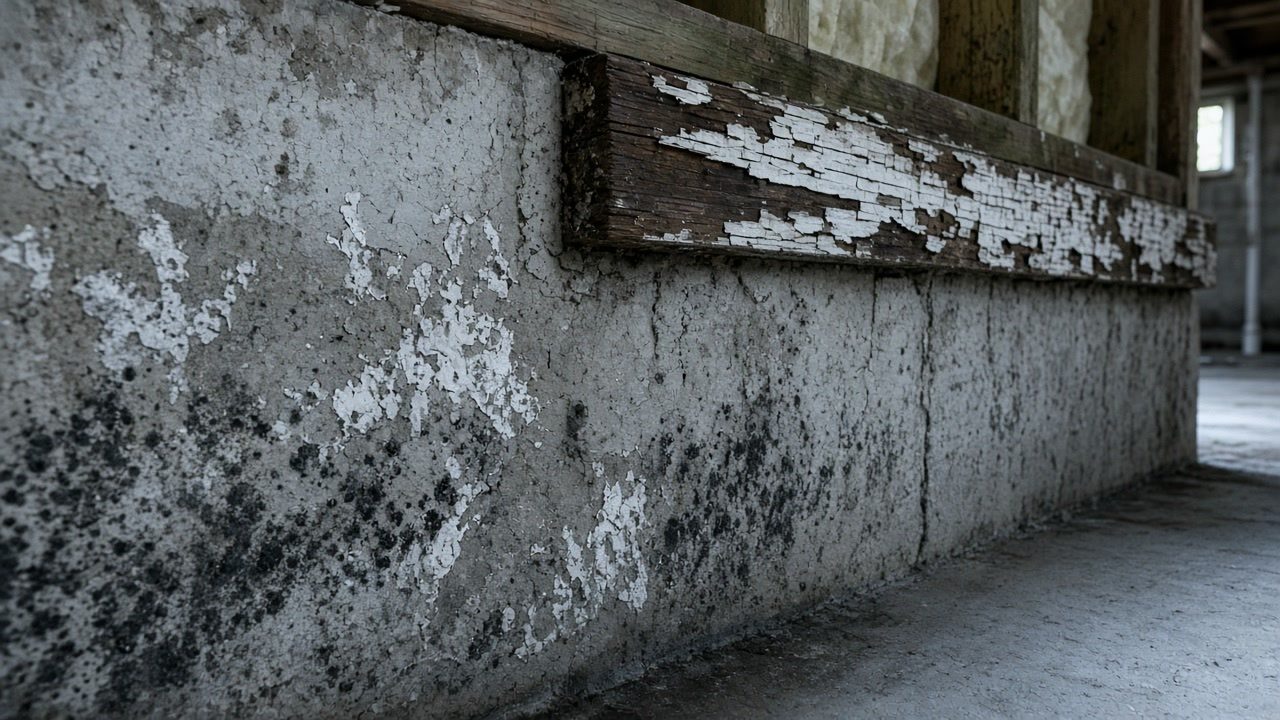
Water that appears after a storm and then stops is a drying job, and speed matters most. Water that appears every wet season, seeping at the base of the wall with no storm needed, is groundwater, and the county plan says basements are susceptible to it even where there is no surface flooding. A crew will dry that, but it will be back; the lasting answer is drainage or waterproofing, with a dehumidifier holding humidity under 60 percent between times. If the dampness is a stain and a smell but no standing water, an assessment may be the better first step.
After a storm
Extract and dry quickly. The county airport's normals put about 12.6 days a year at an inch of rain or more, so this comes round.
Every wet season
That is groundwater. Drying treats the symptom; drainage treats the cause.
Hudson water on the waterfront
Low lying streets by the river are different. Tidal water is removed before drying.
Ossining's Ida rain, groundwater and heavy rain days
Per FEMA's NFIP claims records as of September 8, 2026, the Village of Ossining has 42 paid flood claims, 23 of the 34 with a recorded rated zone (68 percent) outside the A and V zones, and 3 paid claims for Ida, although the NWS reported 6.48 inches of Ida rain at Ossining.
Source: FEMA, OpenFEMA NFIP Redacted Claims v3 (dataset as of 2026-09-08), Westchester County, analyzed 2026-09-23, accessed 2026-09-23
The same flood profile, citing FEMA, states: "High groundwater levels can be a concern and cause problems even where there is no surface flooding. Basements are susceptible to high groundwater levels." It adds that seasonally high groundwater is common in many areas, while elsewhere it occurs only after a long period of above-average precipitation.
Source: Westchester County Department of Planning, 2021 Westchester County Countywide Hazard Mitigation Plan, Section 5.4.3 Flood, accessed 2026-09-23
NOAA's 1991-2020 normals for Westchester County Airport give 47.75 inches of precipitation a year, with an average of 12.6 days a year of 1 inch or more and 3.0 days a year of 2 inches or more. September is the wettest month, with a normal of 4.94 inches and 1.7 days of 1 inch or more.
Source: NOAA National Centers for Environmental Information, U.S. Climate Normals 1991-2020, Westchester County Airport (USW00094745), accessed 2026-09-23
Does the Ossining basement get wet after every storm?
Or was this a one time event? Tell us which. We will point you at drying, an assessment or a waterproofer, with no obligation.
Ossining inspection and removal when drying is not enough
Ossining questions about wet basements up the hill
Why does the basement get wet when we are nowhere near the river?
Rain running downhill and high groundwater both reach basements with no river involved. The county plan notes that seasonally high groundwater is common in many areas.
Is a sump pump part of a drying job?
Installing one is plumbing or waterproofing work, not drying. The drying firm handles the water already in the structure; ask a waterproofer about keeping the next lot out.
Get the Ossining basement dry
Rooms, depth and whether it happens every season. A person reads it and replies.