Peekskill dry-out
Wet Basement Cleanup in Peekskill: Dry-Out or Tear-Out Starts With the Clock
(315) 640-3590 Tap to call
Water has reached your Peekskill basement or first floor and the hours are passing. Say what it was and when it arrived, and we book the visit that fits, a dry-out or an assessment first.
Peekskill dry-out booking: $100 off your first job comes with it.
Four waters
Which water reached your Peekskill house
Sound surge
Sound Shore
Tidal HudsonYour water
River towns
Brook or river
Valley towns
Groundwater or rain
Higher ground and north county
Water note
Your Peekskill water note, line by line
Eight things to settle first. A phone and a tape measure are enough.
We help you pin down what water reached the house, then book the assessment first and the cleanup or drying after, with separate New York companies as state law requires.
Start your water note
Tell us what you know about the water. Sending it commits you to nothing.
The Westchester water-first promise
- You pay us nothing to ask, and you owe us nothing after.
- We start with the water before anyone quotes a removal.
- Your assessor will never be the company doing the cleanup.
- Your $100 is credited exactly as our Terms describe.
Whoever does the work answers to you under your own contract with them.
Mold Removal Westchester County, (315) 640-3590
$100 off your first job
The $100 is credited once your first Westchester job is booked.
- We pay the $100, and the contractor's price stays the same.
- One credit for each customer at each address.
- Book the job on or before December 31, 2026.
- Tell us about the credit when you book.
Questions
Peekskill questions, answered
- 1
How soon should I call for a Peekskill water damage dry-out?
As soon as you see the water. EPA says getting things dry in 24 to 48 hours prevents mold in most cases, and that window starts when the water arrived.
- 2
Will wet carpet in Peekskill need to be replaced?
That depends on the water. Clean, recent water can sometimes be dried. Contaminated water often means wet carpet and pad come out.
- 3
Does the city's mapped flood area decide my dry-out?
No. Only a small share of the city's buildings are in it. The source and duration of your water set the job.
This fits when
When dry-out is the next call in Peekskill
A water heater or supply line that gave way overnight
That is usually clean water. Say how long it ran, and the contractor can plan around it.
Water that came in through the foundation after heavy rain
Rain is not automatically contaminated. The category is set once the assessor has looked at the house.
A smell like the river after the tide and a gray film on the floor
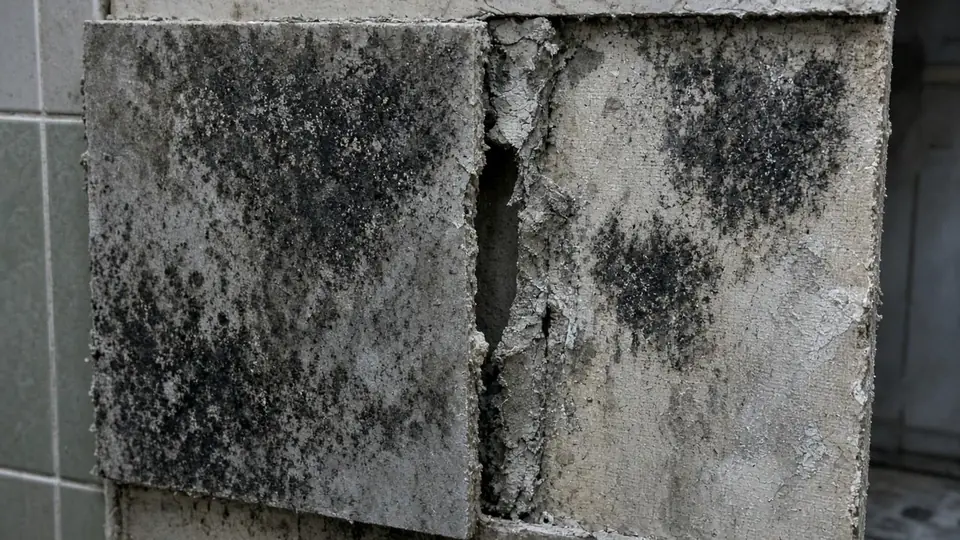
River water carries more than rain. Photograph the film and tell the contractor before anything is mopped.
A finished basement with carpet over pad
Carpet and pad can hold water for days. Ask whether they are pulled first, and who decides.
- Write down what the water wasA river or sewer source changes the whole job.
- Measure the water line in inchesHeight shows which materials were wet.
- Note when it arrived and when it stoppedHours and days decide whether drying in place is still possible.
- List every material the water touchedPorous materials may have to come out.
- Photograph everything before anything movesPhotos help if you make an insurance claim.
- Ask for the New York mold license numberThe state has a public lookup to check it.
- Get the scope in writing before work startsA written plan lists rooms, methods and what comes out.
- Ask who assesses and who does the cleanupNew York requires two separate companies for mold.
Your water note
Four answers a contractor needs. Write them down before the first call.
What water was it?
Supply line, rain, stream, river, seawater or sewage?
The standard grades river, sea and sewer water as most contaminated. It is set on inspection.
How high did it get?
Find the line on the wall and measure it.
Height shows how much drywall and insulation got wet. Write it in inches.
How long did it sit?
Count the hours, days or weeks before anything dried.
EPA gives you 24 to 48 hours to dry wet materials. Past that, mold can grow.
What did it touch?
Drywall, insulation, carpet, framing, block, a furnace or a panel?
The standard asks which materials were affected. Porous ones may come out.
What the river-edge numbers do and do not tell you
The county plan lists 131 of the city's 6,001 buildings, or 2.2 percent, in the 1 percent flood hazard area it maps. That is a small share of the city.
Most Peekskill houses sit outside that area. Outside does not mean dry. Tell the contractor what happened in yours.
Measure any water line. Tell the contractor how many inches it reached and how long it stood. Peekskill sits on a river, but the house you live in decides the answer, so describe the house.
Send the four answers while they are fresh.
If the unit has a finished ceiling below, say so. Water that travels down through a floor into a ceiling is a separate problem from water that arrived at the slab.
Basis: Westchester County Countywide Hazard Mitigation Plan Update 2021, Section 5.4.3 Flood A Brief Guide to Mold, Moisture and Your Home, US EPA
Start the clock when the water arrived
EPA's guidance says that wet materials dried inside a 24 to 48 hour span after a spill seldom grow mold. Count from the moment the water came in, not from the moment you saw it.
Write the time on a sticky note and put it on the wall.
If the unit is rented, send the landlord the time and the photos tonight. Ask them to confirm access for the next morning, and note the hour they reply.
Check the wall before you hire anyone.
For owners, call early. The 24 to 48 hour window does not pause while you schedule.
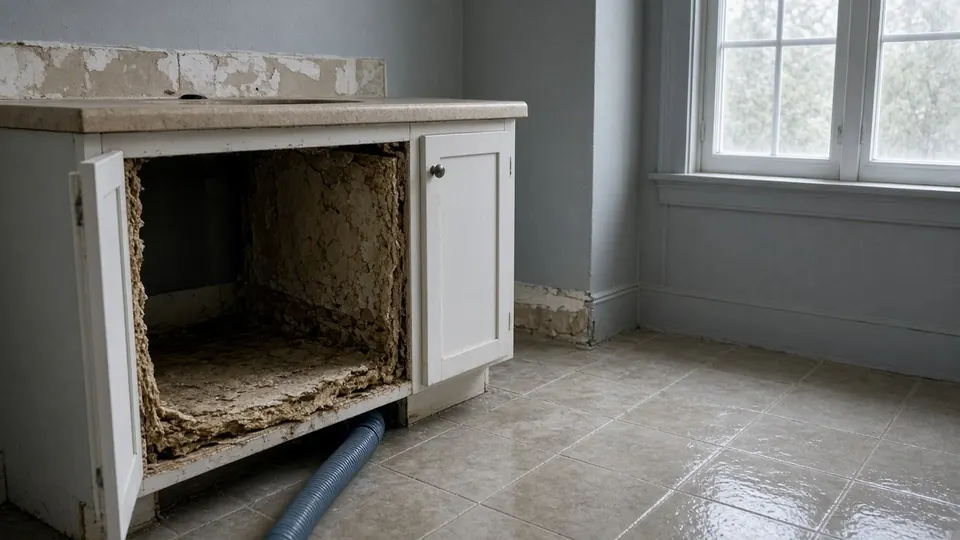
Ask the contractor what they will do about the wall cavities and baseboards. Water that pools behind trim does not show on the floor and can feed mold for weeks.
Dry in place, or pull the wet layer first
Storm water is not always graded worst. The standard leaves that call to an inspection of the house itself. Clean water from a pipe can often be dried where it sits.
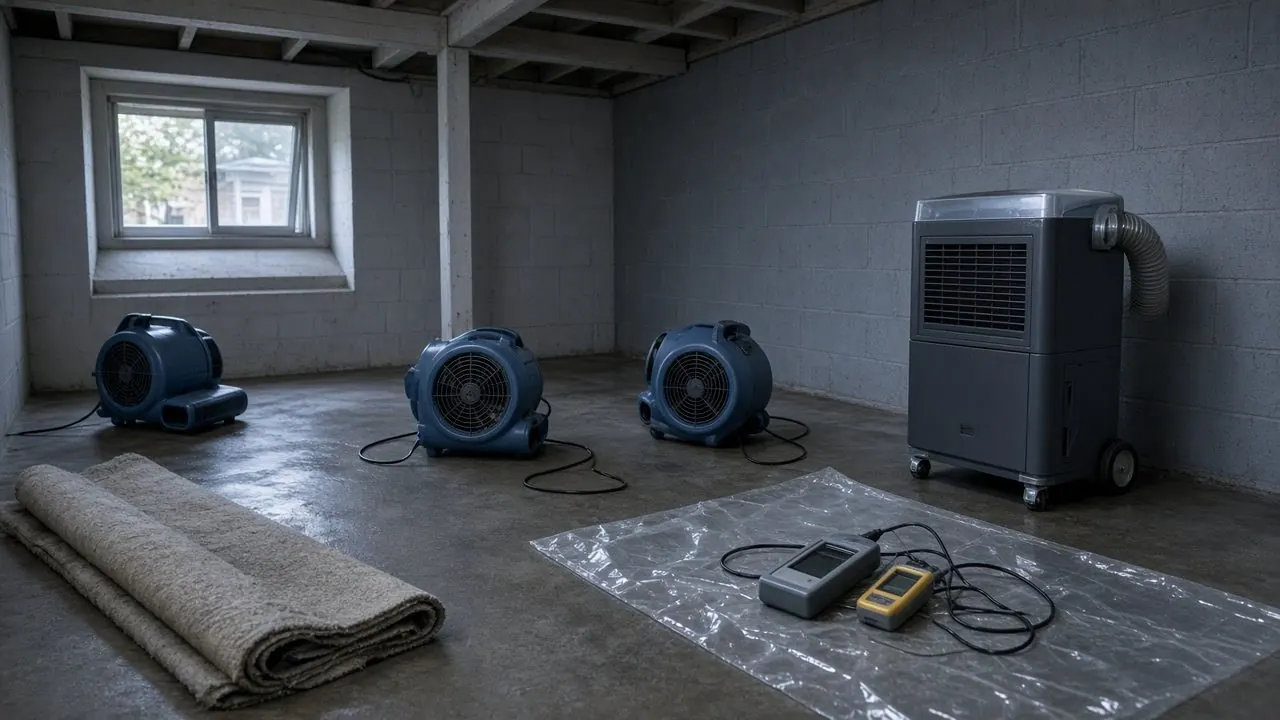
If it was river water, ask whether the wet carpet, pad and insulation must come out before drying starts. Ask the contractor to say which category it assigned and why. We book the order to match.
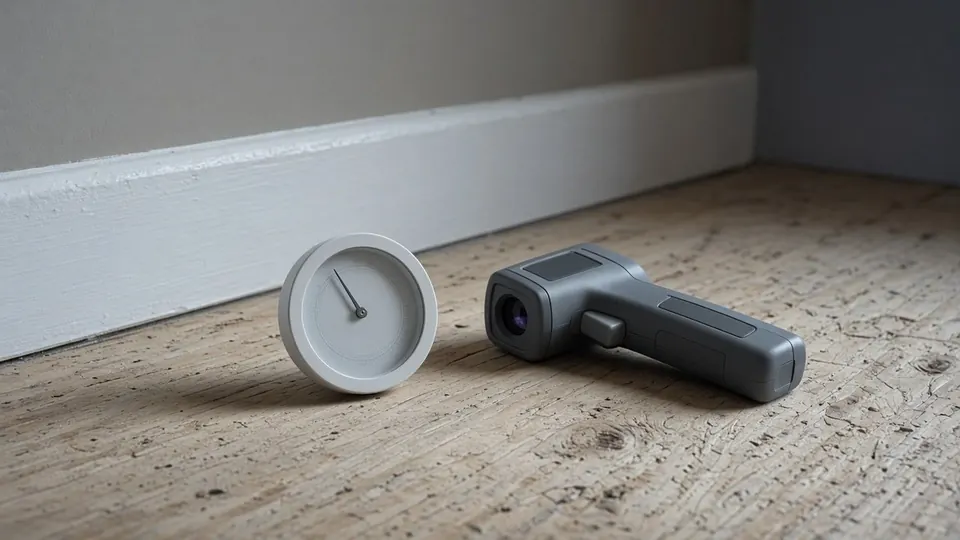
You can also ask for moisture readings on the first day and on the last. They show the structure reached dry, and they are the page you hold if a buyer or a landlord asks later.
Not sure what got wet? Say so.
Ask whether anything must come out first and why, and ask what the contractor will tell you if the readings do not drop. A plain answer now saves an argument later, and you can hold the contractor to it. Find out what the first visit covers and what follows, so nobody starts removal you have not agreed to.
Not sure what water it was? Start here.
Next steps
More ways to use the Peekskill pages
Nearby
Same job, neighboring towns
Book the assessment before the tear-out.