What Kind of Water Reached Your House, and Why It Sets the Whole Job
Yes, it matters more than anything else about the job. The water damage trade's own standard grades water by its source, and it puts sewage, seawater and water that rose out of a river or stream in its most contaminated category, where cleaning and removal come before any drying at all.
Already know you need someone out? Call (315) 640-3590.
From a wet floor to a written scope
Stop the source and note the facts
YouWhere it came in, when, whether it rose or fell, and whether it has stopped. The S500 consensus body lists these among the first things a restorer gathers.
Dry clean water quickly
You or a drying crewEPA says materials dried within 24 to 48 hours of a leak will, in most cases, not grow mold.
Grade anything that rose or backed up
The restorer, on siteCategory is a preliminary determination made after inspection, and weather water is not Category 3 by default.
Clean and remove before drying
The restorer, under contamination controlsAfter a Category 2 or 3 intrusion the S500 text puts remediation ahead of restorative drying.
Assess any mold over the threshold
A licensed mold assessment contractorThe written plan names the areas, the methods and, where possible, the moisture source behind the growth.
Remediate, then clear
A separately licensed remediator, then the assessorClearance under Labor Law 947 is a post-remediation assessment by a licensed assessor, never the firm that did the removal.
The water's source decides the order. Clean water is dried fast; contaminated water is cleaned first and dried after.
Three things you can write down tonight that shape the scope
Where did the water come in, did it rise from outside or come down from above, and how long did it sit before anyone found it? Those answers get you a faster, more accurate first visit, because they are close to the list the trade itself works from. The ANSI/IICRC S500 consensus body lists what a restorer gathers before grading the water: the source, date and time of the intrusion, whether the source has been stopped, any history of earlier water damage, the materials affected and the age of the structure. A homeowner who has that written on a sheet of paper has already done a third of the first conversation.
The kinds of water the standard treats as grossly contaminated
The S500 standard, as quoted by its own consensus body, defines Category 3 water as grossly contaminated and able to carry pathogenic or toxigenic agents. Its examples name sewage, waste line backflows from beyond any trap whatever the water looks like, all flooding from seawater, and rising water from rivers or streams. In this county that list is geography. The county's hazard mitigation plan describes both the Hudson and the Long Island Sound shoreline as tidally influenced, and inland the same plan follows brooks and rivers through dozens of towns. A basement on either coast or beside a stream that overtopped is starting from the category that asks the most of the job.
A roof leak in the same storm is not automatically the worst category
One storm can put two very different kinds of water into one house. In a position statement dated March 16, 2026, the S500 consensus body said that top-down water ingress, wind-driven rain and water from weather events are not automatically Category 3, and that the category is set by a preliminary determination made after inspection. So the ceiling stain upstairs and the water on the basement floor may be graded differently, and should be. It is also why nobody should grade your water over the phone, and why we do not try. We ask where it came from and we send someone who looks.
What the grade changes about the work
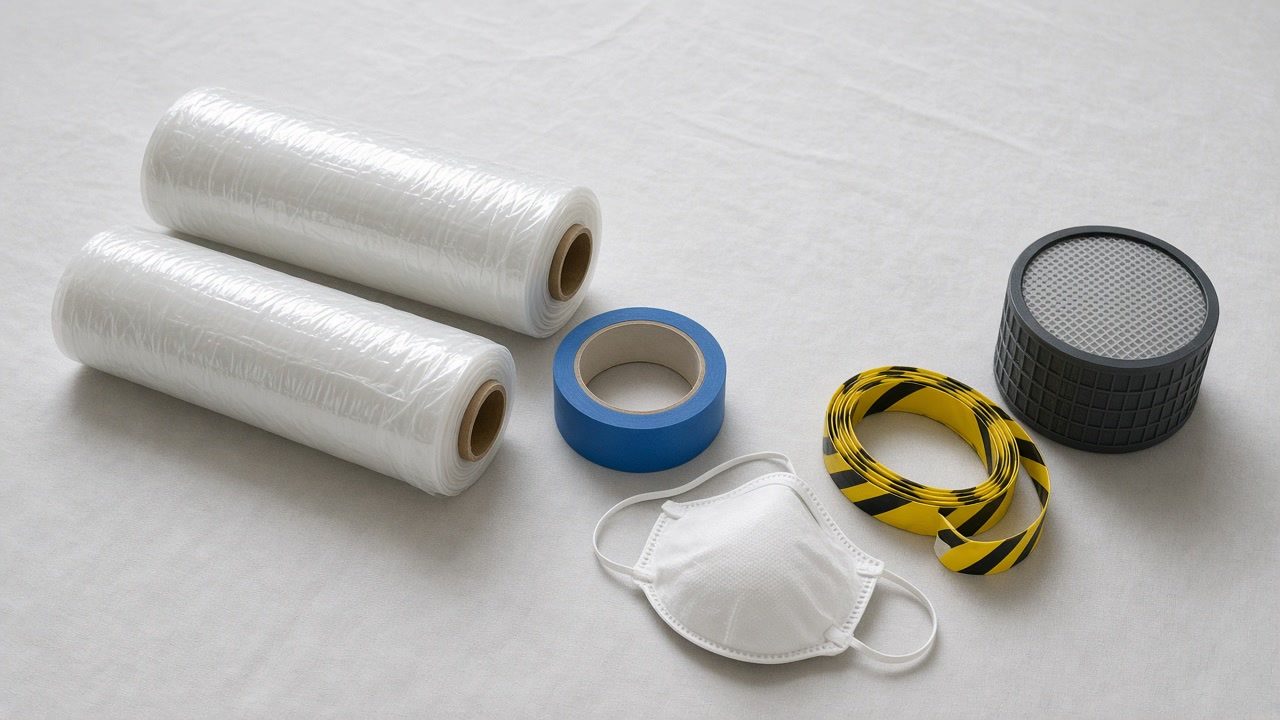
For clean water, speed is the whole game. EPA says that if wet materials are dried within 24 to 48 hours of a leak, in most cases mold will not grow, so a burst supply line caught early is often a drying job and nothing more. Contaminated water runs in the opposite order. The S500 text says Category 1 water can be handled without contamination controls, but after a Category 2 or 3 intrusion remediation should happen before restorative drying, with contamination controls and worker protection in place. Put plainly, fans running on day one in a basement that took river or sewer water can be the wrong first step.
When you can deal with it yourself
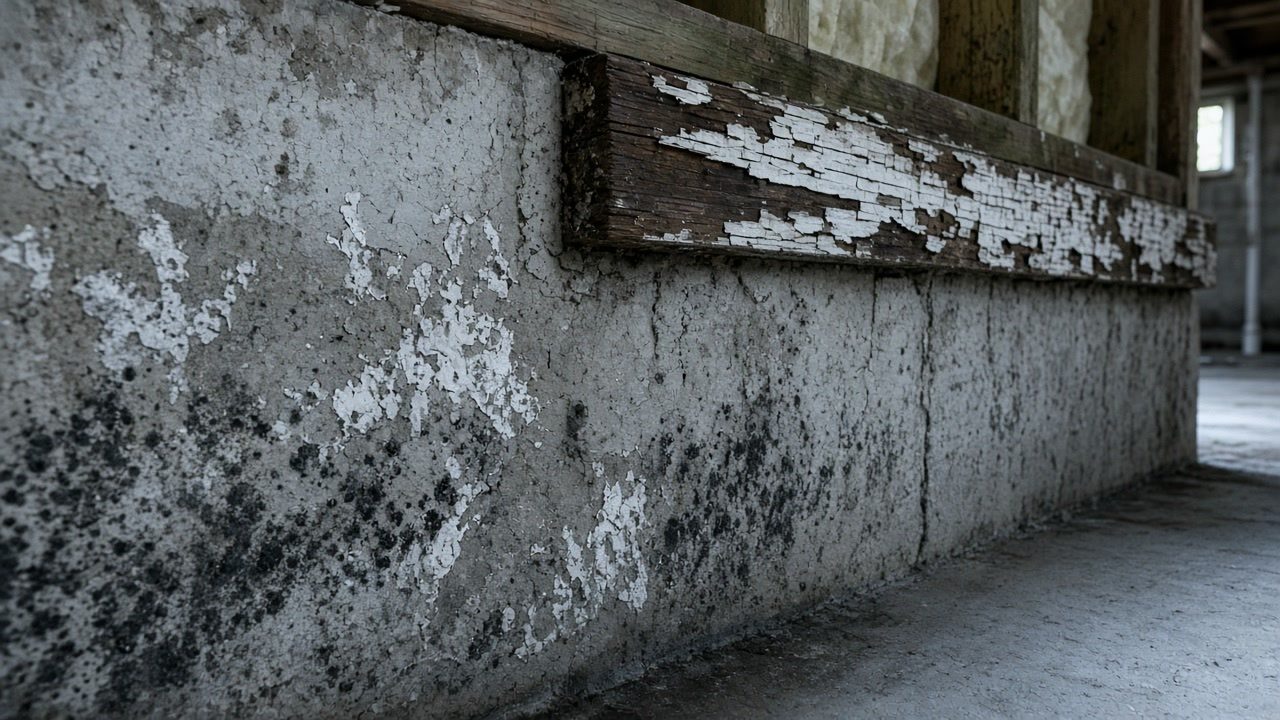
Plenty of wet spots never need a contractor. EPA advises that a moldy area under about 10 square feet is, in most cases, a job a homeowner can handle, and New York's licensing law exempts a residential owner working on their own property in any case. The state Department of Labor adds that in most cases air sampling and mold testing are unnecessary, because there are no EPA or federal standards to measure a result against. The exception EPA draws is the one this guide is about: if the damage came from sewage or other contaminated water, bring in someone with experience cleaning buildings damaged by it.
How the job is set up once the water is known
Where mold is present over the state threshold, New York requires two separate licensed companies, one to assess and one to remediate, and bars anyone from owning an interest in both on the same property. The assessor's written plan has to name the areas, the materials, the methods and, where possible, the underlying source of the moisture, which is where the kind of water you had gets written into the job. We are a referral service, not the contractor: we arrange both sides with separately licensed firms and keep them apart. The state's license dataset shows roughly 52 assessment and 72 remediation contractor licenses at addresses in ZIP codes beginning 105 to 108, an approximation of the county that the state does not publish as a county figure.
Sources used in this guide
The S500 text quoted by the consensus body lists information a restorer gathers to decide the category of water, including the "source, date, and time of water intrusion", the "status of water source control", "history of previous water damage", "types of materials affected" and "age of structure".
Source: ANSI/IICRC S500 Consensus Body, Position Statement: Category of Water Damage and Weather-related Events, March 16, 2026 (citing ANSI/IICRC S500, 5th Edition, 2021), accessed 2026-09-23
The ANSI/IICRC S500 water damage standard, as quoted by its consensus body, defines Category 3 water as "grossly contaminated" water that "can contain pathogenic, toxigenic or other harmful agents", with examples that include "sewage; waste line backflows that originate from beyond any trap regardless of visible content or color; all forms of flooding from seawater; rising water from rivers or streams".
Source: ANSI/IICRC S500 Consensus Body, Position Statement: Category of Water Damage and Weather-related Events, March 16, 2026 (citing ANSI/IICRC S500, 5th Edition, 2021), accessed 2026-09-23
The county plan states that "Westchester County's shoreline along the Hudson River and Long Island Sound are vulnerable to coastal flooding. Both areas are tidally influenced", and that "Principal sources of flooding in Westchester County include both the Hudson River and various tributaries, and the Long Island Sound. The Hudson River produces tidal flooding in low-lying shore areas."
Source: Westchester County Department of Planning, 2021 Westchester County Countywide Hazard Mitigation Plan, Section 5.4.3 Flood, accessed 2026-09-23
In a March 16, 2026 position statement the ANSI/IICRC S500 Consensus Body states: "Top-down water ingress, wind-driven rain and water from weather related events are not automatically considered Category 3 Water." It says the category is set by a "preliminary determination" made by the restorer after inspection and information gathering.
Source: ANSI/IICRC S500 Consensus Body, Position Statement: Category of Water Damage and Weather-related Events, March 16, 2026 (citing ANSI/IICRC S500, 5th Edition, 2021), accessed 2026-09-23
The S500 text quoted in the consensus body's statement says that if the water is Category 1 the restorer can proceed without contamination controls, but "With regard to Category 2 or 3 water intrusions, remediation should occur prior to restorative drying and restorers shall use contamination controls and appropriate worker protection."
Source: ANSI/IICRC S500 Consensus Body, Position Statement: Category of Water Damage and Weather-related Events, March 16, 2026 (citing ANSI/IICRC S500, 5th Edition, 2021), accessed 2026-09-23
EPA's guide to mold and moisture states: "If wet or damp materials or areas are dried 24-48 hours after a leak or spill happens, in most cases mold will not grow."
Source: U.S. Environmental Protection Agency, A Brief Guide to Mold, Moisture and Your Home, accessed 2026-09-23
EPA advises that if the moldy area is less than about 10 square feet, "in most cases, you can handle the job yourself", but "If the water and/or mold damage was caused by sewage or other contaminated water, then call in a professional who has experience cleaning and fixing buildings damaged by contaminated water." It also warns: "Do not run the HVAC system if you know or suspect that it is contaminated with mold."
Source: U.S. Environmental Protection Agency, Mold Cleanup in Your Home, accessed 2026-09-23
Labor Law section 933 exempts from licensing "a residential property owner who performs mold inspection, assessment, remediation, or abatement on his or her own property", and an owner doing the work on an apartment building of not more than four units that the owner owns.
Source: New York State Senate, Consolidated Laws, Labor Law Article 32 (Licensing of Mold Inspection, Assessment and Remediation Specialists), section 933, accessed 2026-09-23
The New York State Department of Labor's mold FAQ states: "In most cases, air sampling and mold testing is unnecessary. There are currently no EPA or Federal standards for mold."
Source: New York State Department of Labor, Mold Frequently Asked Questions, accessed 2026-09-23
Labor Law section 936 provides that "No licensee shall perform both mold assessment and mold remediation on the same property", that "No person shall own an interest in both the licensee who performs mold assessment services and the licensee who performs mold remediation services on the same property", and that an assessor must give a written report to each paying client.
Source: New York State Senate, Consolidated Laws, Labor Law Article 32 (Licensing of Mold Inspection, Assessment and Remediation Specialists), section 936, accessed 2026-09-23
Labor Law section 945 requires a mold assessment licensee's remediation plan to include the rooms or areas to be worked on, estimated quantities of materials to be cleaned or removed, the methods for each area, the personal protective equipment, proposed clearance procedures and criteria, "an estimate of cost and an estimated time frame for completion", and "when possible, the underlying sources of moisture that may be causing the mold". Any disinfectant named must be EPA-registered.
Source: New York State Senate, Consolidated Laws, Labor Law Article 32 (Licensing of Mold Inspection, Assessment and Remediation Specialists), section 945, accessed 2026-09-23
Labor Law section 931 makes it unlawful for any contractor to engage in mold assessment or mold remediation on a project, "or to advertise or hold themselves out as" a mold assessment or mold remediation contractor, without a valid license of that type issued by the commissioner, and requires a copy of the license to be "conspicuously displayed at the work site on a mold project."
Source: New York State Senate, Consolidated Laws, Labor Law Article 32 (Licensing of Mold Inspection, Assessment and Remediation Specialists), section 931, accessed 2026-09-23
The state's mold contractor license dataset lists 1,753 active licenses statewide (807 assessment contractor, 946 remediation contractor). Filtering to active licenses with a New York address in ZIP codes beginning 105 to 108, excluding Putnam County ZIPs, returns 52 assessment and 72 remediation contractor licenses, with Yonkers, White Plains and New Rochelle the most common listed cities.
Source: New York State Department of Labor via data.ny.gov, Mold Contractor Licenses: Four Year Window (dataset ikqx-ispy), accessed 2026-09-23
Labor Law section 947 provides that for a remediated project to achieve clearance, a mold assessment licensee must conduct a post-remediation assessment, determine that the work area is free from all visible mold and that the work followed the remediation plan, and determine "that the underlying cause of the mold has been remediated"; the assessor then issues a written passed clearance report or a final status report.
Source: New York State Senate, Consolidated Laws, Labor Law Article 32 (Licensing of Mold Inspection, Assessment and Remediation Specialists), section 947, accessed 2026-09-23
Services this guide relates to
Need someone to look at it?
Send the details and we will come back to you.