Water Damage Drying in Yorktown After Its Own Storms
Get a Yorktown basement dried in the right order after a brook, a lake or a burst pipe, while mold can still be kept from starting.
Water Damage Drying quote in Yorktown
Tell us the town, how the water got in, and how long it has been wet. Those three answers tell us what kind of water this was, and in Westchester the kind of water decides most of what the job involves.
Would you rather talk it through? Call (315) 640-3590.
$100 off your first job
Credited by us on your first booked job.
- One credit per customer per property, on your first booked job.
- Valid through December 31, 2026.
Mention this offer when you book. Full terms.
Drying a Yorktown basement in the right order
A drying firm extracts the water, maps where it has moved, and dries the structure to normal readings, and the first thing it needs to know is where the water came from. A burst line or a roof leak can usually be dried in place. A brook or a lake rising into the house is graded as contaminated, so the soaked finishes come out first. Yorktown floods on its own schedule rather than the Sound Shore's: FEMA's records show its busiest claim years were 1999, 2011 and 2023, and just 6 claims for Ida.
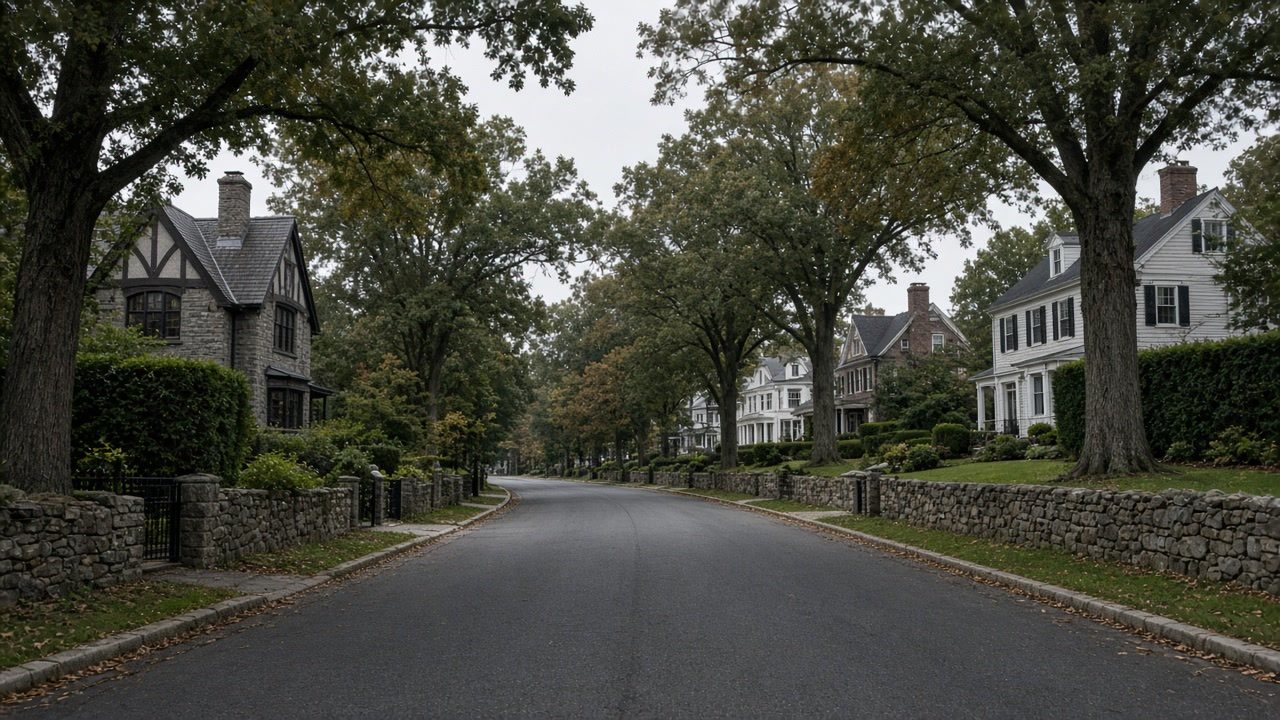
What water damage drying involves in Yorktown
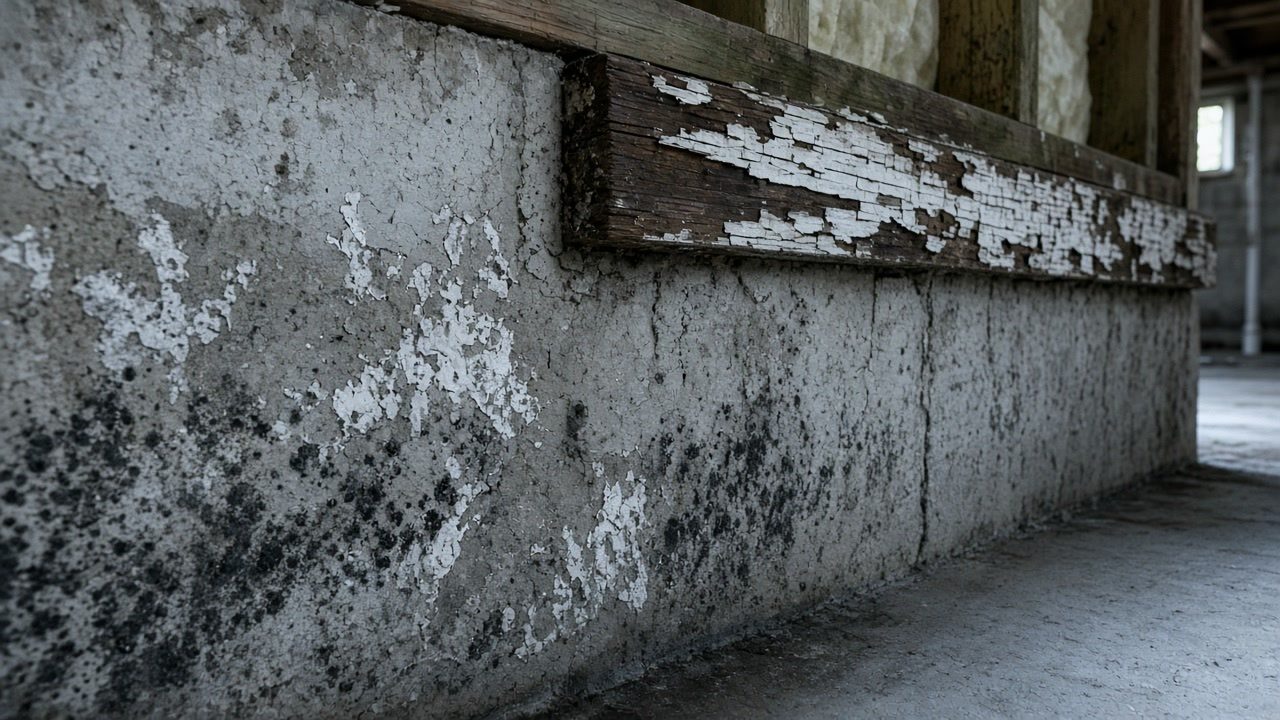
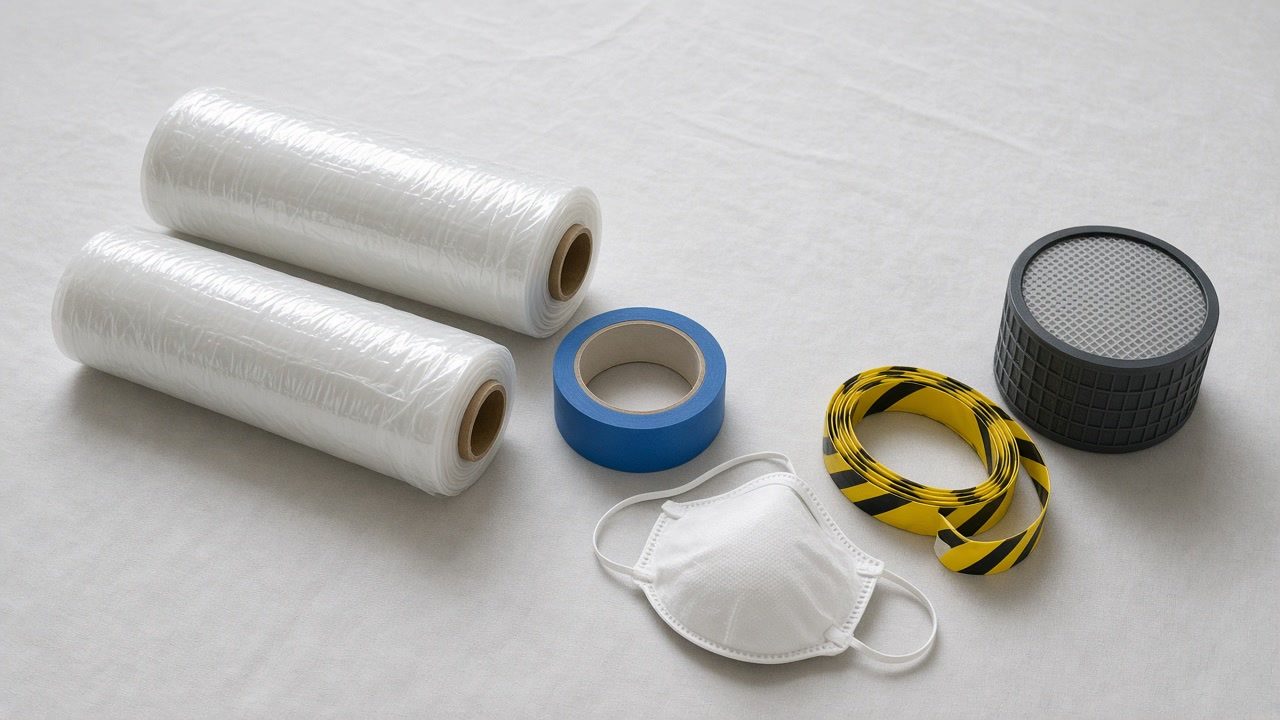
Yorktown dry outs: what to weigh
The window is short. EPA says material dried within 24 to 48 hours of a leak will in most cases not grow mold, so a finished basement left wet over a long weekend is already a bigger job. If you are on a septic system and the water came up through a floor drain or fixture, treat it as sewage and keep out of it. And if the basement is just damp every summer with no event behind it, a dehumidifier holding it below 60 percent humidity is the fix, not a crew.
Septic backup
Water that came from a septic system is sewage. The source fix is a county licensed septic contractor; the cleanup is removal before drying.
Lake and brook water
Rising water from outside is removed before drying. Do not start the fans on it yourself.
Summer damp
No leak, just humidity? A dehumidifier and closed windows on muggy days often do it.
Yorktown's busiest flood years
Per FEMA's NFIP claims records as of September 8, 2026, the Town of Yorktown has 140 paid flood claims; its busiest loss years are 1999 (23 claims), 2011 (20) and 2023 (19), and it had 6 paid claims for Ida.
Source: FEMA, OpenFEMA NFIP Redacted Claims v3 (dataset as of 2026-09-08), Westchester County, analyzed 2026-09-23, accessed 2026-09-23
The S500 text quoted in the consensus body's statement says that if the water is Category 1 the restorer can proceed without contamination controls, but "With regard to Category 2 or 3 water intrusions, remediation should occur prior to restorative drying and restorers shall use contamination controls and appropriate worker protection."
Source: ANSI/IICRC S500 Consensus Body, Position Statement: Category of Water Damage and Weather-related Events, March 16, 2026 (citing ANSI/IICRC S500, 5th Edition, 2021), accessed 2026-09-23
EPA advises: "Keep indoor humidity below 60 percent (ideally between 30 and 50 percent) relative humidity", and "If you see condensation or moisture collecting on windows, walls or pipes act quickly to dry the wet surface and reduce the moisture/water source."
Source: U.S. Environmental Protection Agency, A Brief Guide to Mold, Moisture and Your Home, accessed 2026-09-23
Was it a brook, a lake or a pipe in Yorktown?
Tell us which and how long it has been wet. We match the water to the right kind of firm, and nothing is booked until you say so.
When a Yorktown dry out needs inspection or removal
Yorktown questions about drying after a brook rises
We had 2 inches after the storm. Is a crew overkill?
If it was clean water on a concrete floor, perhaps. If it rose from outside or soaked carpet and drywall, no: those need extraction, measurement and, after brook water, removal before drying.
Our well pump was in the water. What now?
Tell the drying firm, have a well contractor check the equipment, and have the water tested before relying on it. Water quality is outside a drying job.
Start drying the Yorktown basement
Send the source, the rooms and the timing. A person reads it and replies.