Westchester County
Mold Removal in Elmsford After the Saw Mill River Rises
If the Saw Mill River came into your Elmsford basement, even from just outside the mapped zone, the wet porous materials usually need to come out rather than be dried, and an assessment tells you how far that goes. The Village told the county that flood damage matches the limits of the flood zone, but FEMA's records show about 47 percent of Elmsford's paid claims with a recorded zone were rated outside the A and V zones.
Request a quote in Elmsford
Tell us the town, how the water got in, and how long it has been wet. Those three answers tell us what kind of water this was, and in Westchester the kind of water decides most of what the job involves.
Would you rather talk it through? Call (315) 640-3590.
$100 off your first job
Credited by us on your first booked job.
- One credit per customer per property, on your first booked job.
- Valid through December 31, 2026.
Mention this offer when you book. Full terms.
Where Elmsford's flood claims fell against the map
The Village of Elmsford told the county that "Flood damage matches limits of flood zone." FEMA's claims records as of September 8, 2026 show 253 paid NFIP claims in Elmsford, of which 114 of the 244 with a recorded rated zone, about 47 percent, were rated outside the A and V zones.
Source: FEMA, OpenFEMA NFIP Redacted Claims v3 (dataset as of 2026-09-08), Westchester County, analyzed 2026-09-23, accessed 2026-09-23
The Village of Elmsford's annex records that a 2007 US Army Corps of Engineers study of the Saw Mill River identified flooding in Elmsford, with the study's current status unknown, that "Alma Place and Woodside Avenue experience repetitive flooding including repetitive damages to residential properties", and that residents named Saw Mill Road as flood prone.
Source: Westchester County Department of Planning, 2021 Westchester County Countywide Hazard Mitigation Plan, Section 9.30 Village of Elmsford, accessed 2026-09-23
The ANSI/IICRC S500 water damage standard, as quoted by its consensus body, defines Category 3 water as "grossly contaminated" water that "can contain pathogenic, toxigenic or other harmful agents", with examples that include "sewage; waste line backflows that originate from beyond any trap regardless of visible content or color; all forms of flooding from seawater; rising water from rivers or streams".
Source: ANSI/IICRC S500 Consensus Body, Position Statement: Category of Water Damage and Weather-related Events, March 16, 2026 (citing ANSI/IICRC S500, 5th Edition, 2021), accessed 2026-09-23
In the 2020-2024 American Community Survey, Elmsford has 1,753 housing units; 31.4 percent were built in 1939 or earlier and 72.0 percent before 1980, and 54.4 percent of occupied units are owner occupied.
Source: U.S. Census Bureau, American Community Survey 2020-2024 5-year estimates, table B25034 Year Structure Built, accessed 2026-09-23
The Town of Greenburgh contains six incorporated villages, Ardsley, Dobbs Ferry, Elmsford, Hastings-on-Hudson, Irvington and Tarrytown, plus an unincorporated area of about 18 square miles that the Town itself governs and that its county plan annex covers.
Source: Westchester County Department of Planning, 2021 Westchester County Countywide Hazard Mitigation Plan, Section 9.11 Town of Greenburgh, accessed 2026-09-23
The Westchester County Department of Consumer Protection lists separate local building departments for the county's cities, towns and villages, including White Plains (70 Church Street), New Rochelle (515 North Avenue), Mount Vernon (1 Roosevelt Square), Port Chester (222 Grace Church Street), Peekskill (840 Main Street), Tarrytown (1 Depot Plaza), Sleepy Hollow (28 Beekman Avenue), Elmsford (15 South Stone Avenue), Yorktown (363 Underhill Avenue) and a joint Ossining Town/Village department at 101 Route 9A.
Source: Westchester County Department of Consumer Protection, Local Building Department Contact Information, accessed 2026-09-23
Did the river come in, or the rain?
Tell us whether the water rose from outside or dripped from above. In Elmsford that answer decides whether this is a removal job.
Saw Mill River water and the Village of Elmsford
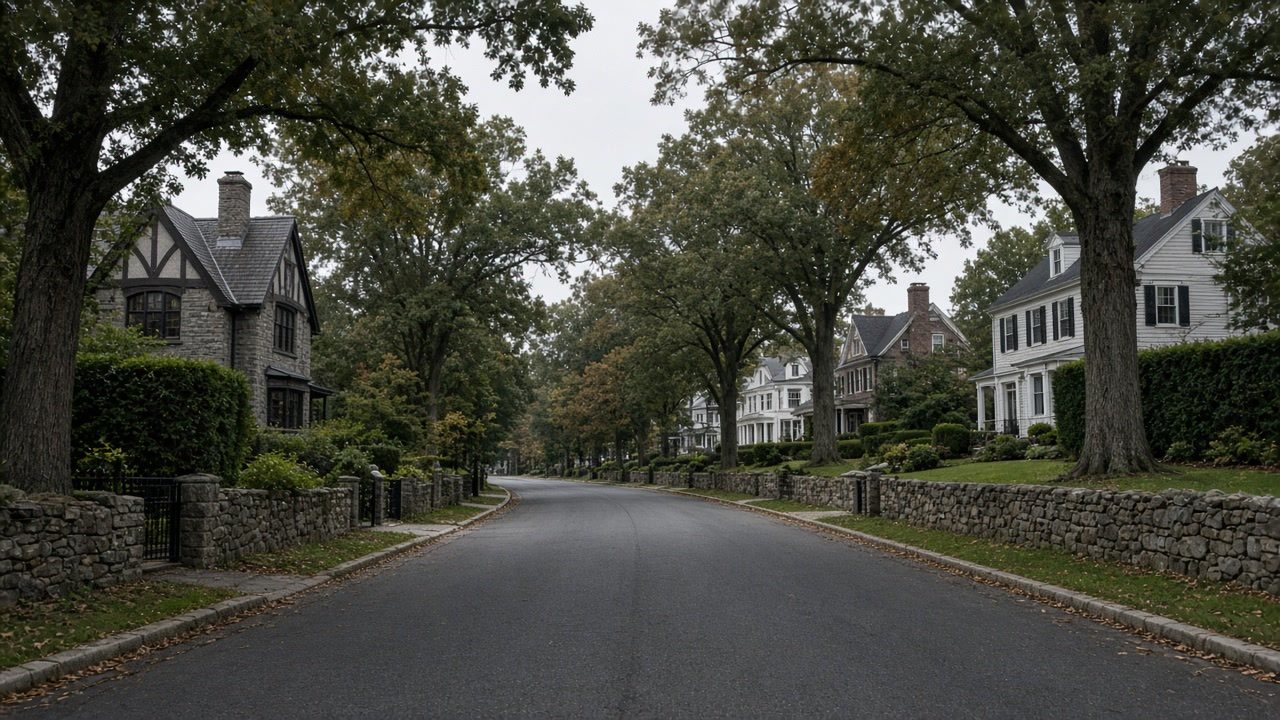
Elmsford is one of six incorporated villages inside the Town of Greenburgh, so permits for an Elmsford address come from the Village building department at 15 South Stone Avenue, not from the Town. The water that matters here is the Saw Mill River. The village's own annex records repeated residential flood damage on Alma Place and Woodside Avenue, and river water that rises into a house falls in the trade's most contaminated category, the same class as sewage. That is why a Saw Mill basement is scoped as removal first and drying second. The line on the map is a weaker guide than it looks: the rated zone on a policy can predate today's maps, and in Elmsford almost half the paid claims sat on the low risk side of it. Close to half of village households rent, and a tenant signing a lease for a basement or ground floor unit can ask for the county flood history form first.
What we arrange along the Elmsford river corridor
Mold Inspection and Assessment
Find out in writing what kind of water reached your Westchester home, how far into the building it got, and whether there is a mold job to do at all.
Mold Inspection in Elmsford →Mold Remediation and Removal
Get the mold in your Westchester home removed by a licensed firm working to an independent assessor's written plan, with the moisture source named so the work is not undone.
Mold Remediation in Elmsford →Water Damage Drying and Dry Out
Get a wet basement or room in your Westchester home dried properly before mold has a chance to start, in the order the kind of water calls for.
Water Damage Drying in Elmsford →Send the Elmsford details and we will line up the right firm
An independent licensed assessor writes the plan and a separate licensed firm does the removal, which is how New York requires it.