Mold Remediation in Tarrytown After a Sewer Backflow
Get a backflow-hit Tarrytown basement stripped and cleaned by a licensed crew with the protection that kind of water calls for.
Mold Remediation quote in Tarrytown
Tell us the town, how the water got in, and how long it has been wet. Those three answers tell us what kind of water this was, and in Westchester the kind of water decides most of what the job involves.
Would you rather talk it through? Call (315) 640-3590.
$100 off your first job
Credited by us on your first booked job.
- One credit per customer per property, on your first booked job.
- Valid through December 31, 2026.
Mention this offer when you book. Full terms.
What to settle before a Tarrytown removal begins
Sewage is a professional job at any size: EPA advises calling in someone experienced with contaminated water rather than cleaning it yourself, even where a small patch of ordinary mold would be a homeowner task. Beyond that, compare the bid to the plan, ask whether the crew works lead-safe in a house built before 1978, and ask the Village Building Department at 1 Depot Plaza whether the rebuild needs a permit. A plumber, not the removal firm, deals with why the drain backed up.
Not a do-it-yourself job
Sewage changes the rule of thumb. Even a small area goes to a firm equipped for contaminated water.
Plumber for the cause
The removal firm takes out what the water reached. Why it backed up, and whether a backwater valve makes sense, is a plumber's question.
Village permit
Ask the Tarrytown Building Department about permits for the rebuild before walls go back.
Tarrytown's sewer back up record and the removal order
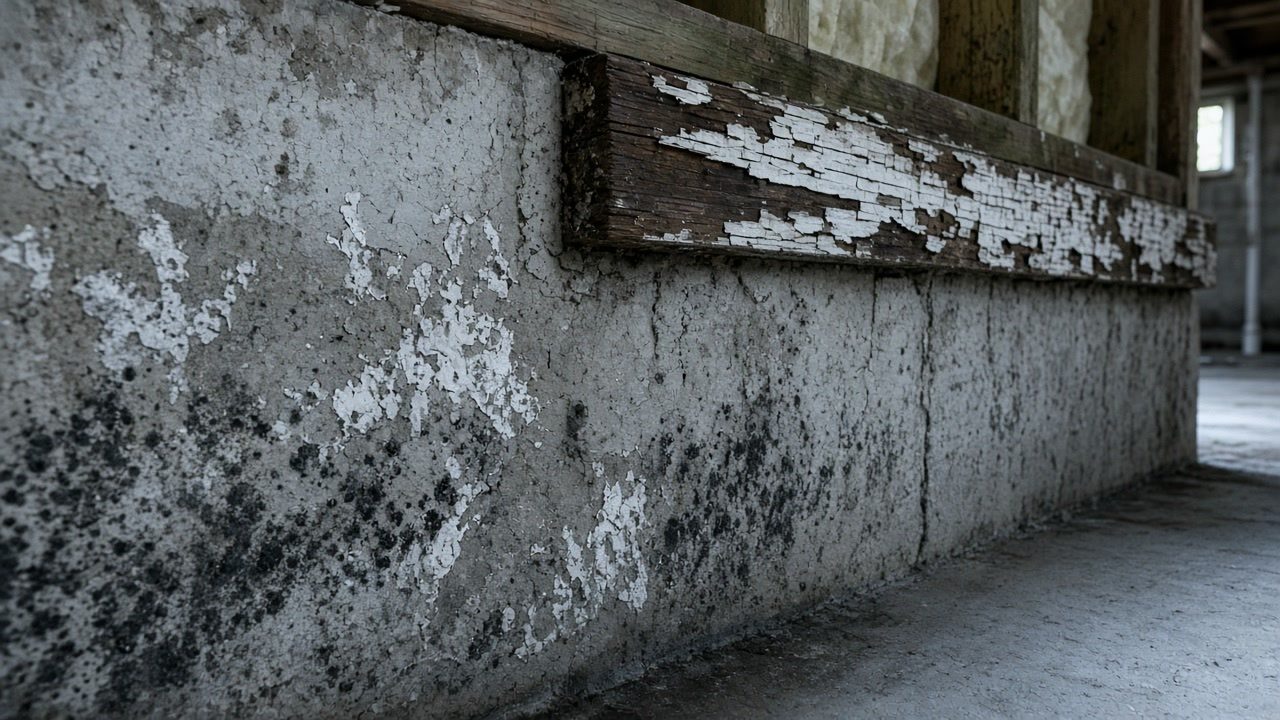
Tarrytown's annex lists as a vulnerability that "With the rise of sea levels/storm surge/storm rainwater increasing, culverts and sewers may require protection to prevent damaging backflow", and records an April 13, 2020 wind storm with trees down and sewer back up.
Source: Westchester County Department of Planning, 2021 Westchester County Countywide Hazard Mitigation Plan, Section 9.45 Village of Tarrytown, accessed 2026-09-23
The S500 text quoted in the consensus body's statement says that if the water is Category 1 the restorer can proceed without contamination controls, but "With regard to Category 2 or 3 water intrusions, remediation should occur prior to restorative drying and restorers shall use contamination controls and appropriate worker protection."
Source: ANSI/IICRC S500 Consensus Body, Position Statement: Category of Water Damage and Weather-related Events, March 16, 2026 (citing ANSI/IICRC S500, 5th Edition, 2021), accessed 2026-09-23
EPA advises that if the moldy area is less than about 10 square feet, "in most cases, you can handle the job yourself", but "If the water and/or mold damage was caused by sewage or other contaminated water, then call in a professional who has experience cleaning and fixing buildings damaged by contaminated water." It also warns: "Do not run the HVAC system if you know or suspect that it is contaminated with mold."
Source: U.S. Environmental Protection Agency, Mold Cleanup in Your Home, accessed 2026-09-23
What mold remediation involves in Tarrytown
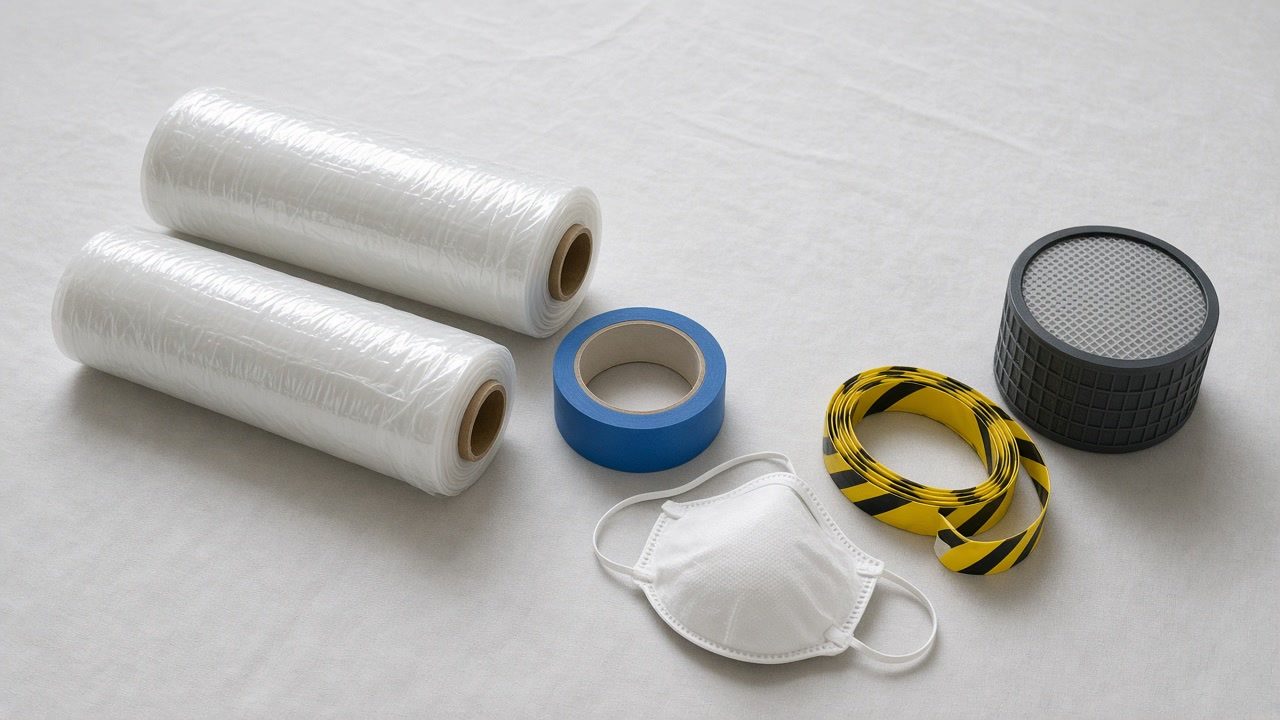
Removing what sewer water reached in Tarrytown
After a backflow the job is removal first and drying second, done by a crew in protective gear. Everything porous the water touched, drywall, insulation, carpet, boxes on the floor, comes out and is bagged under containment; hard surfaces and framing are cleaned to the plan; and only then does drying begin. The standard's text is explicit that after contaminated water, remediation occurs before restorative drying, with contamination controls and worker protection. Tarrytown's hazard history records a 2020 wind storm that brought a sewer back up, so this is not only a flood scenario.

Did sewage back up into the Tarrytown basement?
Tell us where it came from and what it reached. We arrange a licensed remediation firm once a plan is in place, with no obligation.
Tarrytown questions about sewage cleanup and removal
Can I keep things that were stored on the basement floor?
Hard items that can be washed and disinfected often can. Porous things that soaked up sewage, like cardboard, upholstery and rugs, are usually discarded. The plan and the firm will say which is which.
Should I run the heat or air conditioning while the basement is contaminated?
Not if the system may have drawn in contaminated air. EPA warns against running HVAC you suspect is contaminated with mold, so have it checked before turning it back on.
Describe the Tarrytown backflow
Rooms, depth and when it happened. If no assessor has seen it, we start there, because New York requires it.