Mold Inspection in White Plains, Sized to the Problem You Have
A licensed White Plains assessment tells you what is causing the growth and how big the job really is, which is often smaller than the stain suggests.
Mold Inspection quote in White Plains
Tell us the town, how the water got in, and how long it has been wet. Those three answers tell us what kind of water this was, and in Westchester the kind of water decides most of what the job involves.
Would you rather talk it through? Call (315) 640-3590.
$100 off your first job
Credited by us on your first booked job.
- One credit per customer per property, on your first booked job.
- Valid through December 31, 2026.
Mention this offer when you book. Full terms.
Finding the cause of mold in a White Plains home
What you are paying for is a cause and a size. The assessor looks at the growth, takes moisture readings around it and traces it back to a supply line, a roof or window leak, condensation on a cold surface, or water running in off a driveway, then writes down whether there is a regulated mold job at all. In White Plains that last question matters, because a flood is rarely the reason. The county plan counts just 15 of the city's 13,986 buildings in the mapped flood area, the joint lowest share in the county.
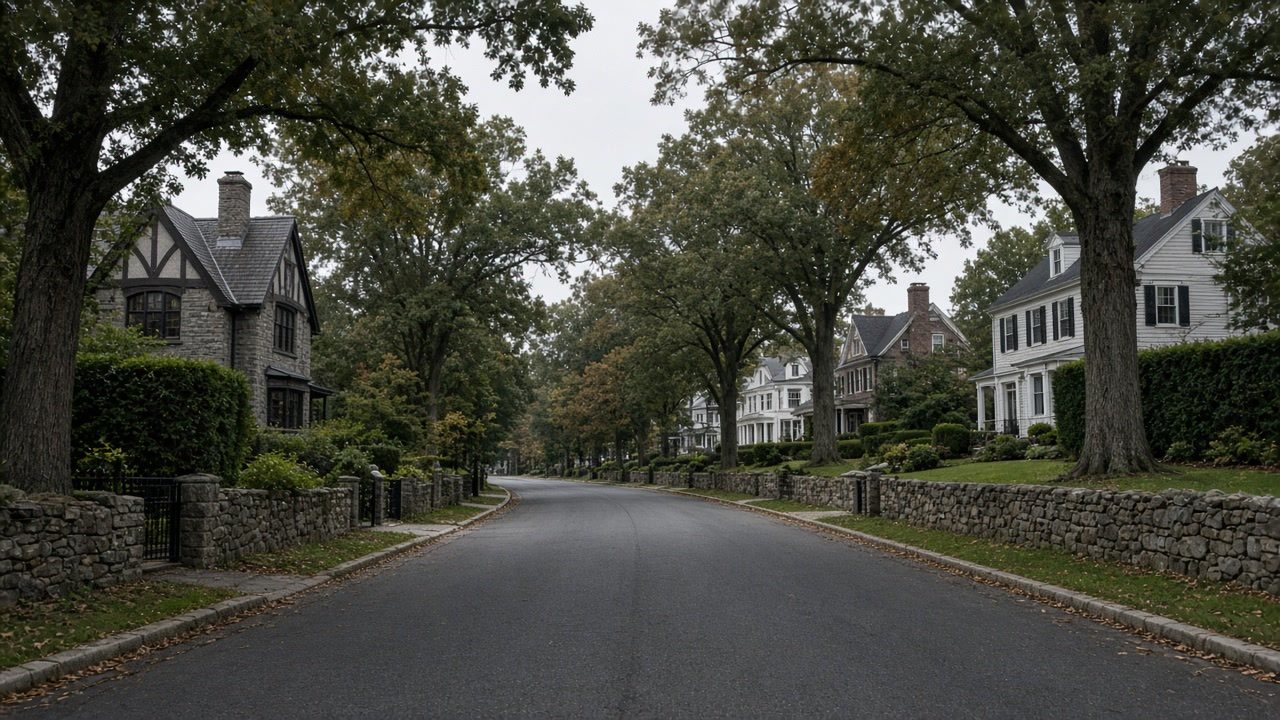
What mold inspection involves in White Plains
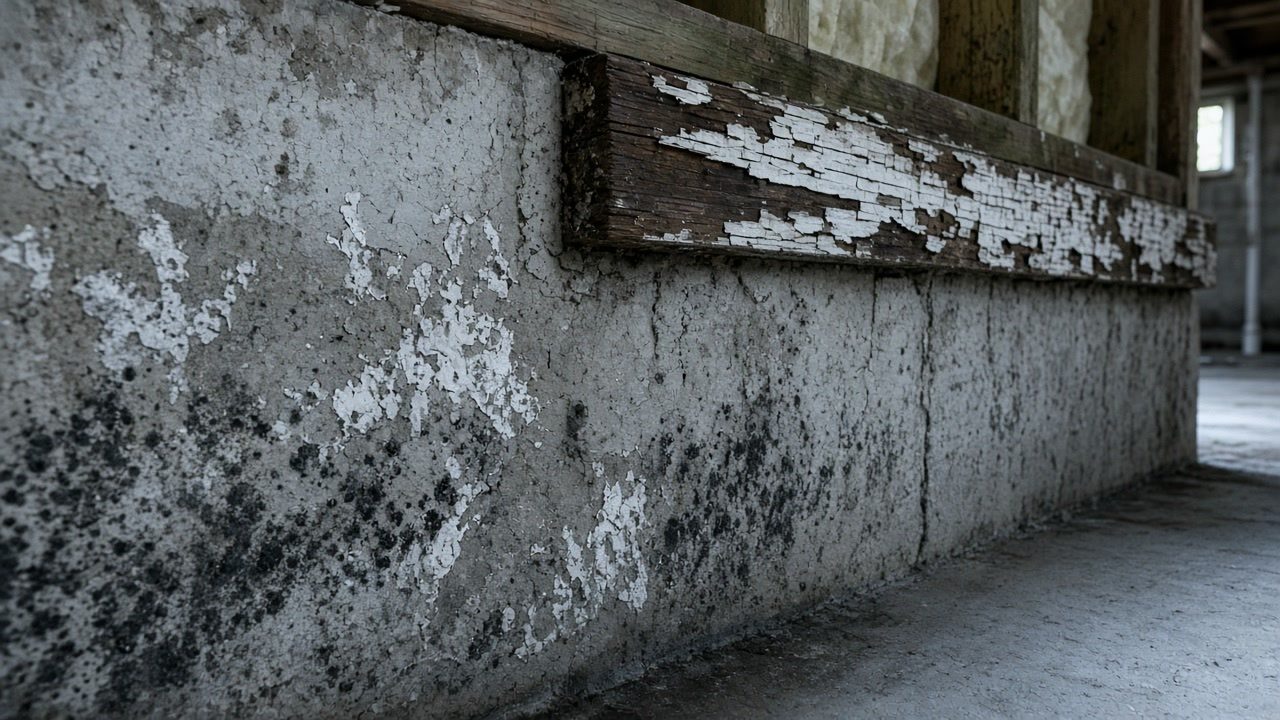
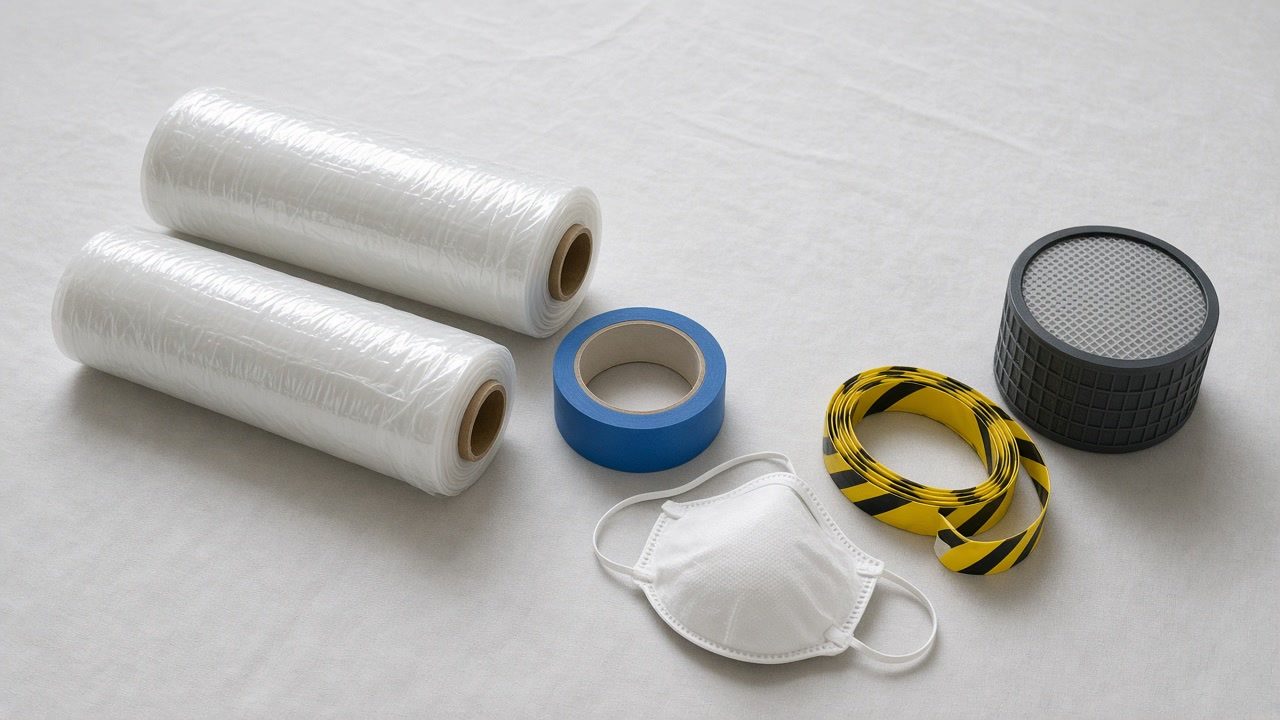
White Plains owners: book it, or handle it yourself?
Book an assessment if the growth covers more than about ten square feet, if it keeps coming back after cleaning, or if you smell it and cannot find it. Below that size, from a clean source, New York does not require a licensed firm and EPA says most people can handle it themselves. And skip lab tests that only name the species; the state Department of Labor says testing is unnecessary in most cases, and the plan does not depend on it.
Ten square feet
Above it, New York treats the work as a regulated mold project. Below it, from a clean source, an owner can usually clean it.
It came back
Growth that returns after cleaning means the moisture source is still there. That is the case an assessor is for.
Shared walls and common pipes
If the moisture may come from a neighbor's unit or a building pipe, a written finding on the source helps whoever has to fix it.
How little of White Plains the flood map covers
In the county plan's building stock table, 15 of White Plains' 13,986 buildings, 0.1 percent, stand in the mapped 1 percent annual chance flood area, the joint lowest share in the county with Somers.
Source: Westchester County Department of Planning, 2021 Westchester County Countywide Hazard Mitigation Plan, Section 5.4.3 Flood, Table 5.3.2-6, accessed 2026-09-23
New York Labor Law section 930 defines a mold project as mold remediation, assessment or abatement of "areas greater than ten square feet", defines mold assessment as an inspection or assessment "designed to discover mold, conditions that facilitate mold", and defines mold remediation as conducting the business of removal, cleaning, sanitizing or surface disinfection of mold.
Source: New York State Senate, Consolidated Laws, Labor Law Article 32 (Licensing of Mold Inspection, Assessment and Remediation Specialists), section 930, accessed 2026-09-23
EPA advises that if the moldy area is less than about 10 square feet, "in most cases, you can handle the job yourself", but "If the water and/or mold damage was caused by sewage or other contaminated water, then call in a professional who has experience cleaning and fixing buildings damaged by contaminated water." It also warns: "Do not run the HVAC system if you know or suspect that it is contaminated with mold."
Source: U.S. Environmental Protection Agency, Mold Cleanup in Your Home, accessed 2026-09-23
Not sure whether the White Plains patch is big enough to matter?
Describe its size and where it is. We will tell you honestly whether an assessor is worth booking.
White Plains removal and drying, if the report calls for them
White Plains questions about whether to inspect
Is black mold a reason to test?
Not on its own. The Westchester County Department of Health says there is no definitive scientific evidence linking indoor airborne mold to the rare illnesses often blamed on black mold, though molds can cause allergies in sensitive people. Color does not change how it is removed.
Our building is not in a flood zone. Could it still be flood water?
Yes. The county plan says urban flooding from runoff and overloaded drainage is not mapped and happens outside the floodplain. The assessor looks at where the water came from, not at the zone.
Describe the growth in your White Plains home
Where it is, how big, and whether it has come back. A person reads it and replies, with no obligation.