White Plains remediation
Mold removal in White Plains: what the water reached, before you sign
(315) 640-3590 Tap to call
A contractor has told you the mold in your White Plains home needs removal, and the quote arrived before any report. Find the water behind the mold and what it soaked, then check every price against a written plan.
White Plains removal off a written plan: $100 off your first job, with the contractor setting the price.
Four waters
Four waters, and where White Plains sits
Sound surge
Sound Shore
Tidal Hudson
River towns
Brook or riverYour water
Valley towns
Groundwater or rain
Higher ground and north county
Water note
Four answers a White Plains contractor needs first
Eight things to settle first. A phone and a tape measure are enough.
We help you pin down what water reached the house, then book the assessment first and the cleanup or drying after, with separate New York companies as state law requires.
Start your water note
Tell us what you know about the water. Sending it commits you to nothing.
The Westchester water-first promise
- You pay us nothing to ask, and you owe us nothing after.
- We start with the water before anyone quotes a removal.
- Your assessor will never be the company doing the cleanup.
- Your $100 is credited exactly as our Terms describe.
Whoever does the work answers to you under your own contract with them.
Mold Removal Westchester County, (315) 640-3590
$100 off your first job
The $100 is credited once your first Westchester job is booked.
- We pay the $100, and the contractor's price stays the same.
- One credit for each customer at each address.
- Book the job on or before December 31, 2026.
- Tell us about the credit when you book.
Questions
Short answers for White Plains homeowners
- 1
Should I get a second White Plains opinion on a removal quote?
Ask for the assessor's written plan first. If the quote and the plan disagree, the plan wins, and the contractor should say why a line differs.
- 2
Does a White Plains removal job need a plan if the patch is small?
In EPA's view, an owner can usually deal with mold covering under about 10 square feet. For anything larger, or sewage in the water, hire a professional and ask for the written plan.
- 3
My apartment has mold from a neighbor's leak. Who arranges the removal?
Start with your landlord in writing. The landlord controls the building and the walls you share. Ask for the assessor's report and the removal plan, and keep copies.
This fits when
What puts remediation on the list in White Plains
A quote with no written plan behind it
The plan comes from the assessor first. Have the contractor say which rooms and materials the price covers, then check that list against the plan.
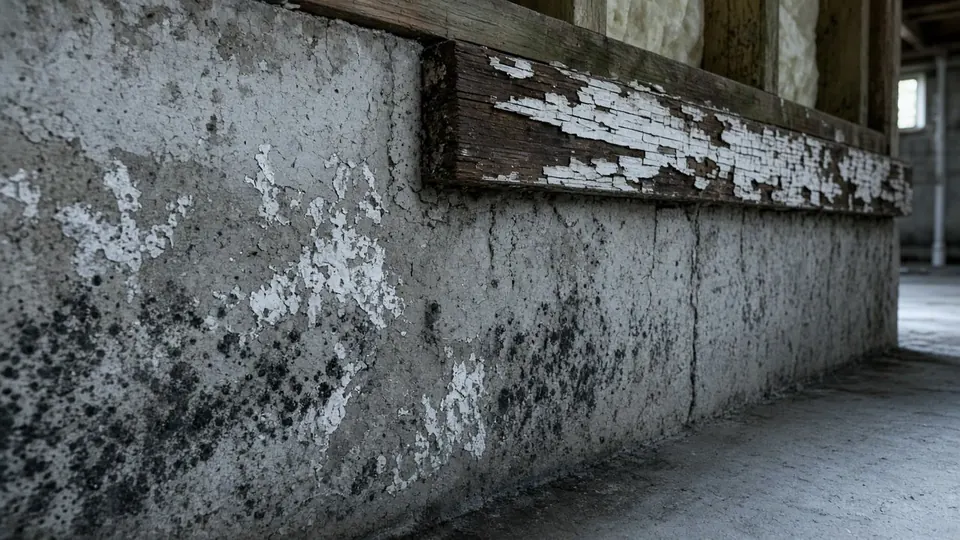
Mold on painted walls in an older home
EPA's lead-safe rule applies to paid work that disturbs painted surfaces in houses built before 1978. Ask the contractor whether it applies to your wall.
Mold along a wall you share with a neighbor
In a multi-unit building the source can sit next door. Tell the landlord and the assessor which wall is shared.
Carpet or drywall that stayed wet for days
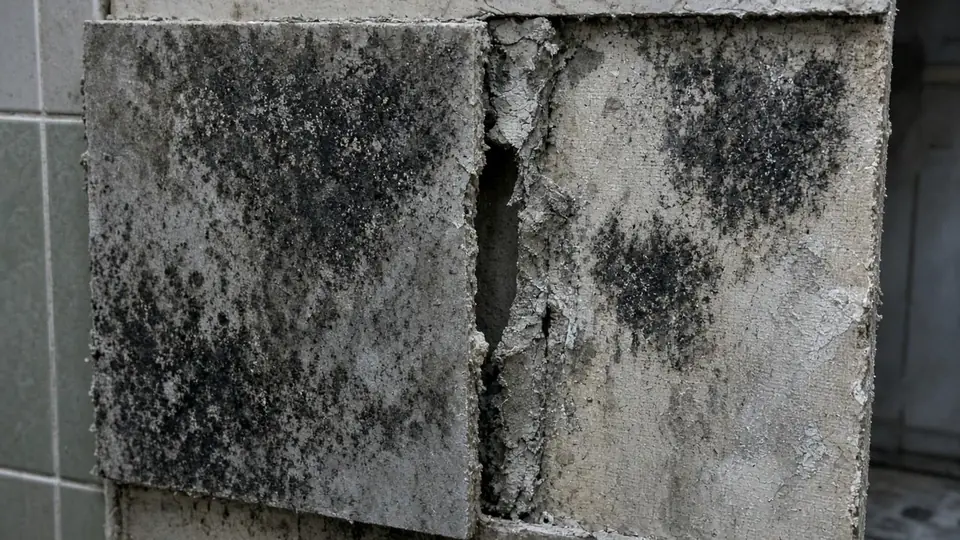
Materials that stayed soaked are often the first a written scope lists for removal. Ask what each line item was soaked with.
- Write down what the water wasA river or sewer source changes the whole job.
- Measure the water line in inchesHeight shows which materials were wet.
- Note when it arrived and when it stoppedHours and days decide whether drying in place is still possible.
- List every material the water touchedPorous materials may have to come out.
- Photograph everything before anything movesPhotos help if you make an insurance claim.
- Ask for the New York mold license numberThe state has a public lookup to check it.
- Get the scope in writing before work startsA written plan lists rooms, methods and what comes out.
- Ask who assesses and who does the cleanupNew York requires two separate companies for mold.
Your water note
Four answers a contractor needs. Write them down before the first call.
What water was it?
Supply line, rain, stream, river, seawater or sewage?
The standard grades river, sea and sewer water as most contaminated. It is set on inspection.
How high did it get?
Find the line on the wall and measure it.
Height shows how much drywall and insulation got wet. Write it in inches.
How long did it sit?
Count the hours, days or weeks before anything dried.
EPA gives you 24 to 48 hours to dry wet materials. Past that, mold can grow.
What did it touch?
Drywall, insulation, carpet, framing, block, a furnace or a panel?
The standard asks which materials were affected. Porous ones may come out.
What the claims record says about the route the water took
FEMA's paid claims in the city tell a plain story. Of the 97 rated claims, 85 fell outside the A and V zones. Water in White Plains homes can arrive by a route the flood map never drew, such as a drain, a downspout or a rising water table.
That matters for your removal scope. Cutting out the moldy drywall does nothing if the entry point stays open, and the mold can return. Ask the remediator to name the route in the written plan, and to price the repair as its own line.
Basis: American Community Survey 2020-2024 5-year estimates, table B25034 (year structure built), US Census Bureau OpenFEMA NFIP Claims v3 (data as of 2026-09-08), FEMA
Older buildings, lead-safe work and what removal should say
Most homes in this city, 70.5 percent, predate 1980. Some predate 1978, the cutoff in EPA's lead-safe rule, which calls for credentialed firms and special work practices if hired workers disturb painted surfaces.
You do not need to know which rule applies. You need to ask the contractor. Put the question in writing: does this job fall under the lead-safe rule, and who holds the credential? Then choose the contractor who answers plainly. A firm that has not heard of the rule is a firm to question before you book it, and a firm that has should say so in writing.
Basis: Lead Renovation, Repair and Painting Program, US EPA NY Labor Law section 945, NY State Senate
Line by line, the plan against the price
Under state law the assessor's plan lists rooms, material quantities and methods, plus the moisture sources where they are known. That list is your yardstick. A price that adds rooms the plan never named needs an explanation before you sign.
Where the water was dirty, the trade standard has the removal come before any drying. If part of your job is a dry-out, ask which contractor does which step, and in what order. Then choose and book. Keep the plan, the price and the order of work together, since you will want all three if a question comes up later.
Basis: ANSI/IICRC S500 Consensus Body, Category of Water Damage and Weather-related Events position statement Mold Cleanup in Your Home, US EPA
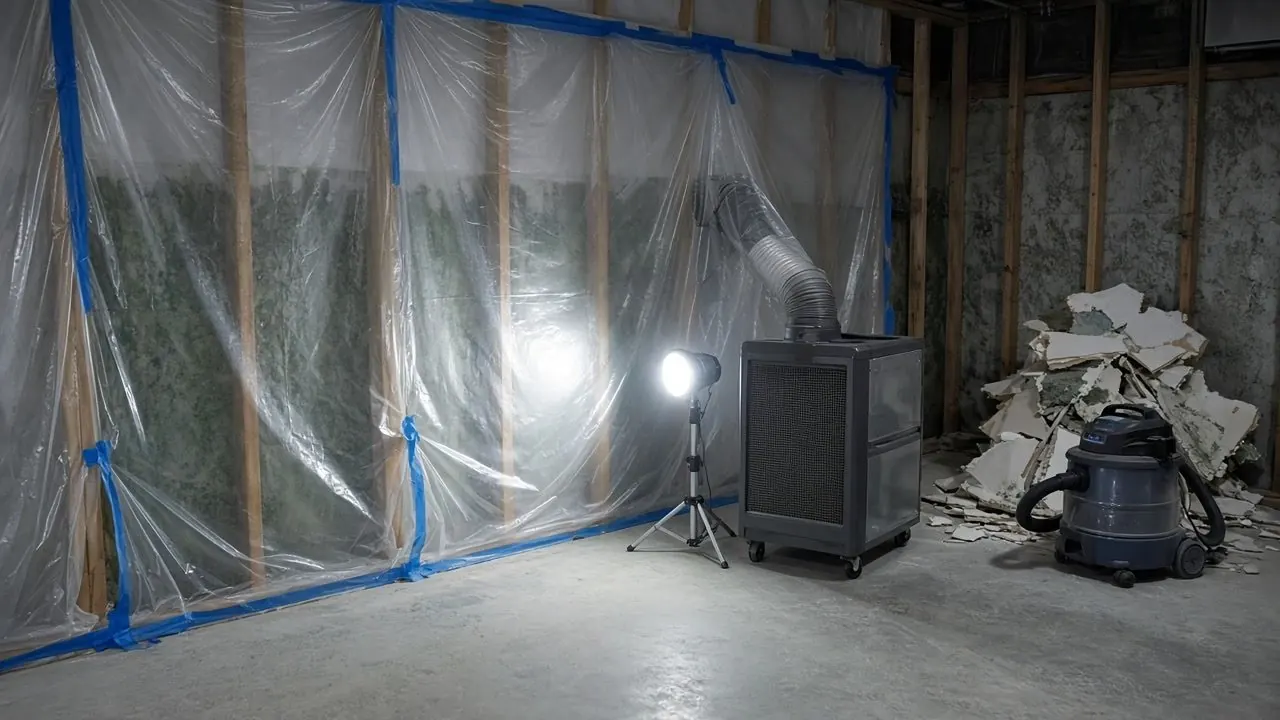
Have the water line measured before the tear-out.
Next steps
Two more steps for a White Plains house
Nearby
Remediation in nearby towns
Book the assessment before the tear-out.