New Rochelle remediation
New Rochelle mold remediation: price the scope, not the square footage
(315) 640-3590 Tap to call
A contractor gave you a New Rochelle mold removal price by the square foot and you cannot tell what it covers. Ask for the written scope, then book the removal to match it.
New Rochelle removal from a written scope: $100 off your first job on the booking.
Four waters
Name the water before the job
Sound surgeYour water
Sound Shore
Tidal Hudson
River towns
Brook or river
Valley towns
Groundwater or rain
Higher ground and north county
Water note
Your New Rochelle water note, line by line
Eight things to settle first. A phone and a tape measure are enough.
We help you pin down what water reached the house, then book the assessment first and the cleanup or drying after, with separate New York companies as state law requires.
Start your water note
Tell us what you know about the water. Sending it commits you to nothing.
The Westchester water-first promise
- You pay us nothing to ask, and you owe us nothing after.
- We start with the water before anyone quotes a removal.
- Your assessor will never be the company doing the cleanup.
- Your $100 is credited exactly as our Terms describe.
Whoever does the work answers to you under your own contract with them.
Mold Removal Westchester County, (315) 640-3590
$100 off your first job
The $100 is credited once your first Westchester job is booked.
- We pay the $100, and the contractor's price stays the same.
- One credit for each customer at each address.
- Book the job on or before December 31, 2026.
- Tell us about the credit when you book.
Questions
What New Rochelle owners ask first
- 1
What should a New Rochelle mold removal quote list?
Rooms, materials, quantities and methods, matching the assessor's plan. A single price by area cannot be checked.
- 2
Do I need a separate company for New Rochelle mold removal?
State law treats growth past ten square feet as a mold project, which means a separate company for that work. Contaminated water such as sewage also calls for an experienced professional.
- 3
Is New Rochelle mold removal done before or after drying?
With contaminated water, removal comes first. With clean water, the assessor may say drying comes first.
This fits when
Signs the remediation job is next in New Rochelle
A quote by the square foot with no room list
A price per foot hides what is removed. Ask for rooms, materials and methods in the plan.
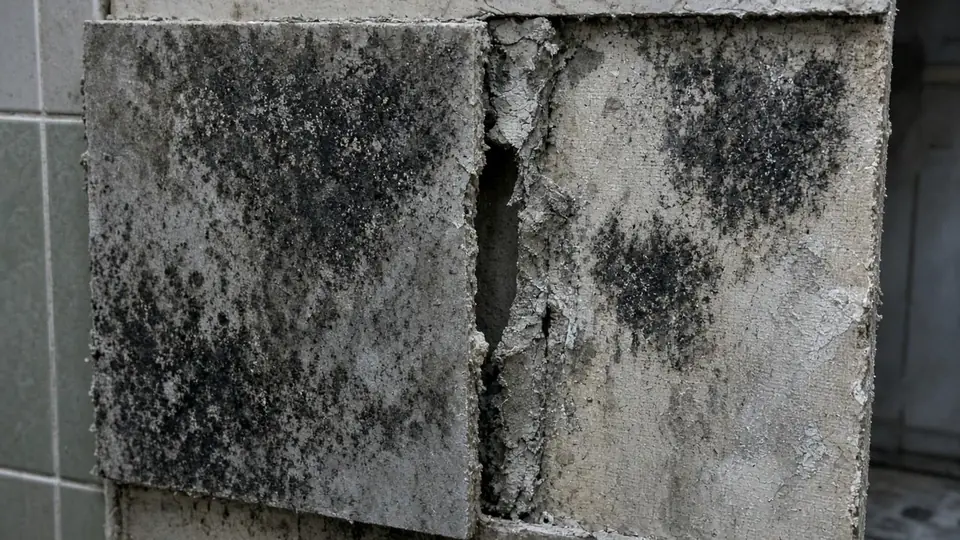
Mold on drywall in a prewar house
Plaster behind old drywall can be wet too. Ask the assessor to check it before demolition starts.
Water from a drain or sewer line
Sewage makes the water grossly contaminated. EPA says to call a professional experienced with it.
A damp wall that looks dry on the surface
Moisture can sit inside the wall. The plan should say how the remover will check the inside before closing it up.
- Write down what the water wasA river or sewer source changes the whole job.
- Measure the water line in inchesHeight shows which materials were wet.
- Note when it arrived and when it stoppedHours and days decide whether drying in place is still possible.
- List every material the water touchedPorous materials may have to come out.
- Photograph everything before anything movesPhotos help if you make an insurance claim.
- Ask for the New York mold license numberThe state has a public lookup to check it.
- Get the scope in writing before work startsA written plan lists rooms, methods and what comes out.
- Ask who assesses and who does the cleanupNew York requires two separate companies for mold.
Your water note
Four answers a contractor needs. Write them down before the first call.
What water was it?
Supply line, rain, stream, river, seawater or sewage?
The standard grades river, sea and sewer water as most contaminated. It is set on inspection.
How high did it get?
Find the line on the wall and measure it.
Height shows how much drywall and insulation got wet. Write it in inches.
How long did it sit?
Count the hours, days or weeks before anything dried.
EPA gives you 24 to 48 hours to dry wet materials. Past that, mold can grow.
What did it touch?
Drywall, insulation, carpet, framing, block, a furnace or a panel?
The standard asks which materials were affected. Porous ones may come out.
A house this old and this mixed needs a room-by-room scope
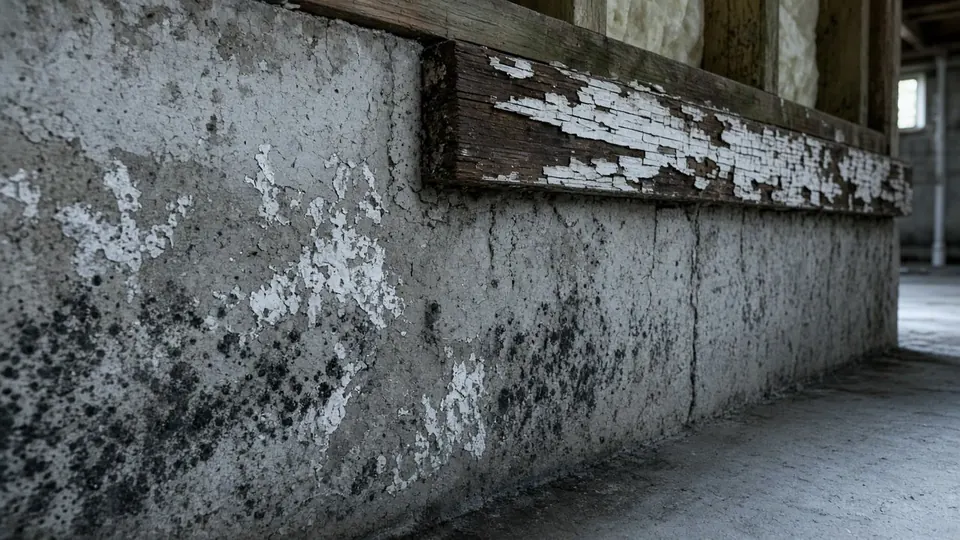
Of New Rochelle's 32,792 housing units, 75.9 percent date from before 1980. Plaster, old paint and later repairs shape what can be cut safely. So the scope needs to name each room, each surface and the method for it.
A house built before 1978 may trigger a federal lead-paint rule for paid work on painted surfaces. Ask whether the removal company holds the lead-safe credentials, and have the answer written into the quote.
Ask for two quotes against the same scope. If they differ on what is removed, ask why.
Ready to start your water note?
Tell the assessor which rooms you use every day. The plan should protect those rooms first and say how long each area will be closed.
Basis: American Community Survey 2020-2024 5-year estimates, table B25034 (year structure built), US Census Bureau OpenFEMA NFIP Claims v3 (data as of 2026-09-08), FEMA
Half the claims sat outside the zones: what that means for your scope
New Rochelle has 748 paid flood insurance claims on FEMA's record. FEMA put nearly half the claims that carry a zone in the open, outside A and V. So water here does not always arrive the way the map predicts.
For your scope, that means the source must come first. A removal list that assumes clean rain on a house that took drain water will be too small. A list that assumes sewage on a house that had a clean supply leak will be too big.
Want the checklist for your wall?
Tell the assessor what you know, and ask them to write the source at the top of the plan.
Write down the date of every wet event you remember, even the small ones. A pattern of repeat water changes what the remover should recommend.
If a remover claims to know the source by looking at the stain, ask what it is based on. The assessor's report is the place for that finding.
Basis: ANSI/IICRC S500 Consensus Body, Category of Water Damage and Weather-related Events position statement Mold Cleanup in Your Home, US EPA
When the plan and the work belong to two companies
Assessment and removal go to two companies in New York. That protects you, because the person who wrote the scope is not paid to do the work. Ask the remover for its license and look it up on the state's public search.
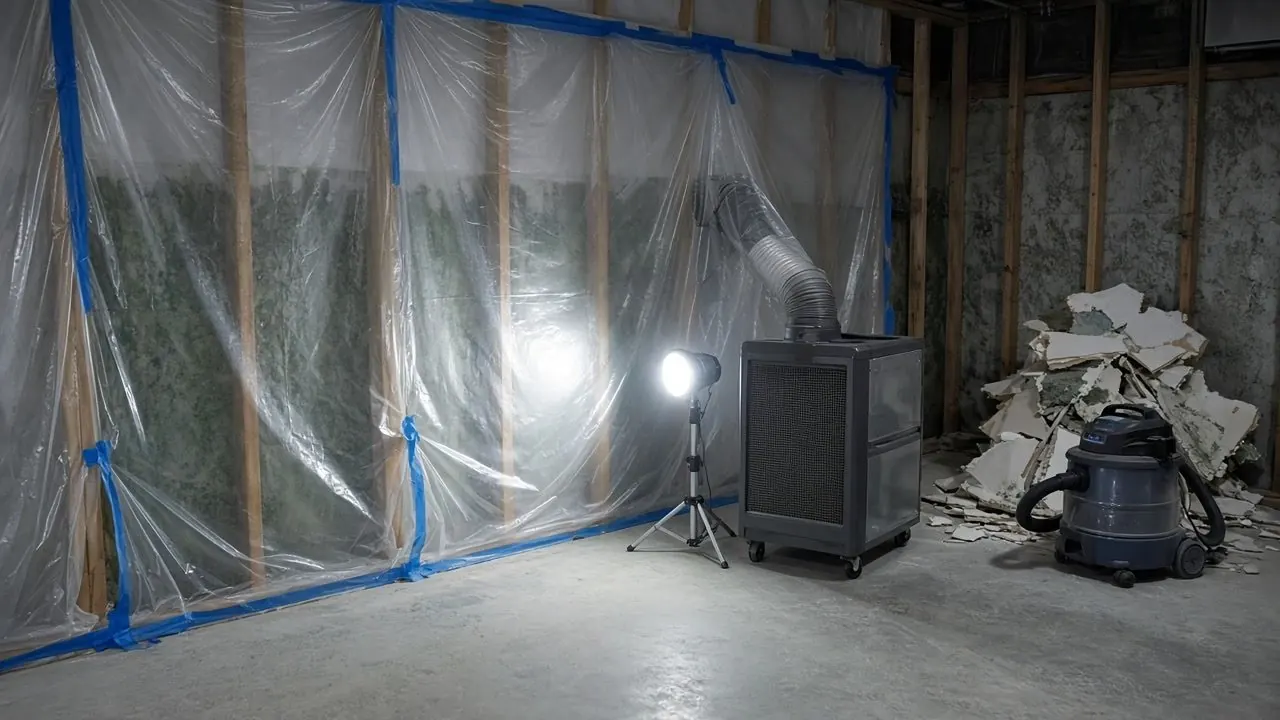
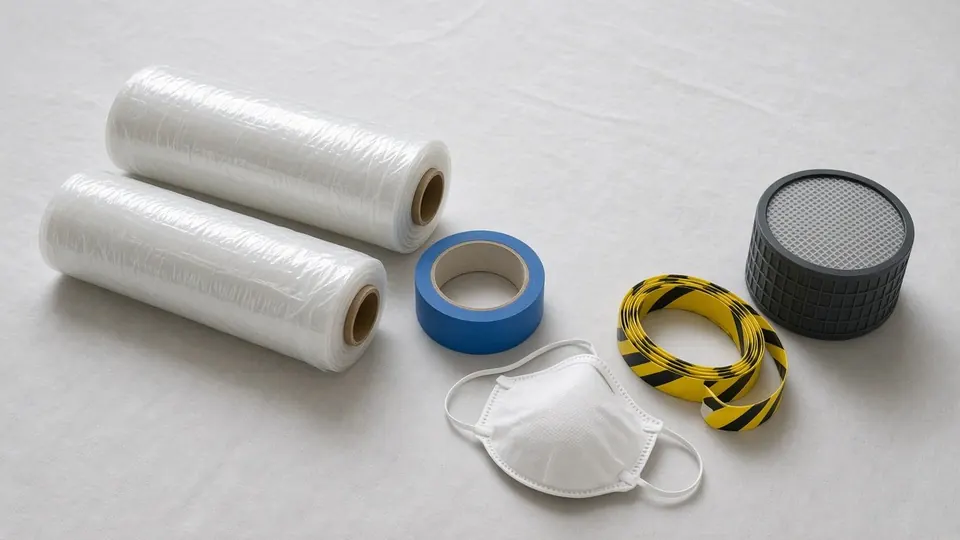
With contaminated water, the standard says removal should come before restorative drying, with containment and worker protection. Ask how the remover will keep air from the rest of the house.
Do not pay in full until the assessor has checked the finished work against the plan.
Tell us the water and the date.
If a remover offers to write your plan as well, say no. Book a separate assessor, and keep both quotes on file.
Ask how long each room will be closed, and who will be on site when the walls are open. A plan with dates is easier to hold to.
Basis: NY Labor Law section 936, NY State Senate Lead Renovation, Repair and Painting Program, US EPA
Not sure what water it was? Start here.
Next steps
Two more steps for a New Rochelle house
Nearby
Nearby pages for remediation
Name the water, then pick the job.